
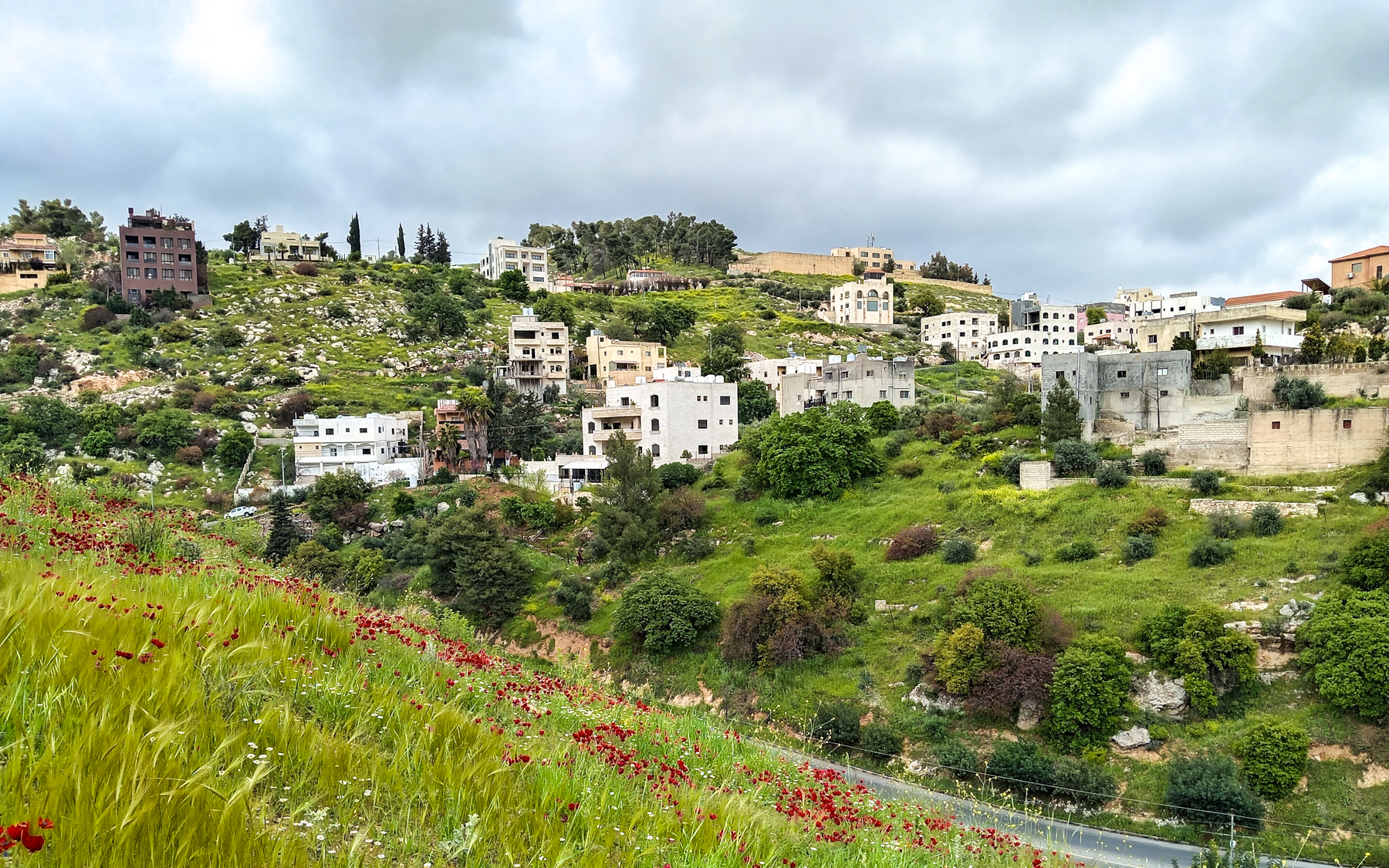
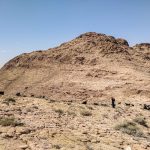
Spring hillside outside of Amman, Jordan. Photo by Heather M. Surls.
ESSAY BY HEATHER M. SURLS
Sitting in my parents’ yard on the foothills of the Tehachapi Mountains in California, I’m distracted. I haul my journal, a book, and a cup of tea to the splintering porch swing, intending to read or pray. But once I settle down and let my eyes pass over the 5 acres around me, I’m flooded by memories.
Before me stands the house my family built during an El-Niño year. I was approaching middle school and angry about leaving our suburban life two hours away in Ventura County. Alongside my parents, I tied intersections of rebar in the house’s foundation, picked up nails and swept sawdust during framing. My sisters and I recorded construction progress in composition books—homeschooling at its best.
The year we built the house, this slope in front of me flowed with springs. My sisters and I built stick-and-mud settlements on the creek’s banks for our pebble people. We roamed for hours among these blue and valley oaks, collecting acorns, then peeling and pounding them into “flour.” The Native Americans who’d lived in this valley were the most ingenious and resourceful people we could imagine.
Wildflowers blazed that spring. Mom and Dad learned their names and taught them to us: wallflowers, fiddlenecks, Mariposa poppies in the dry grass surrounded by grasshoppers’ strident song. A patch of baby blue eyes near the rutted dirt road blazed like a piece of fallen sky.
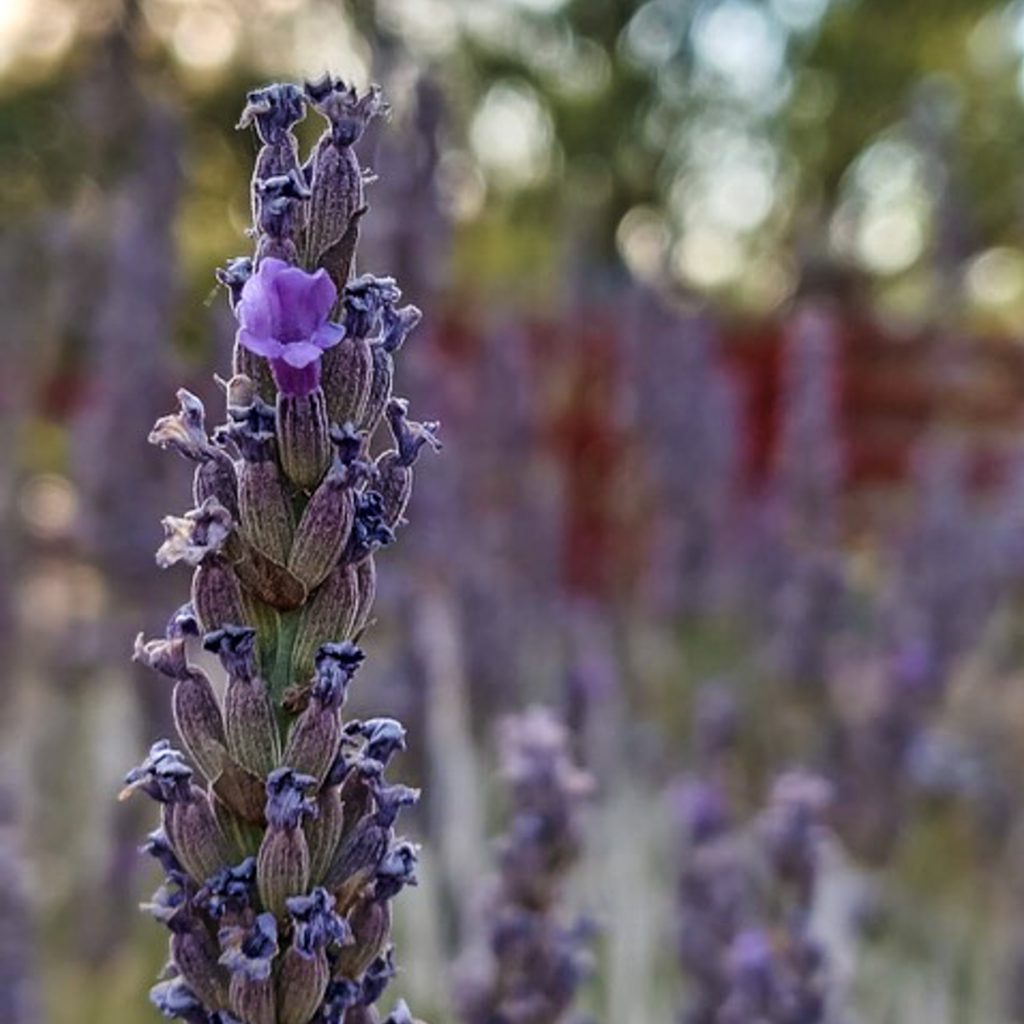
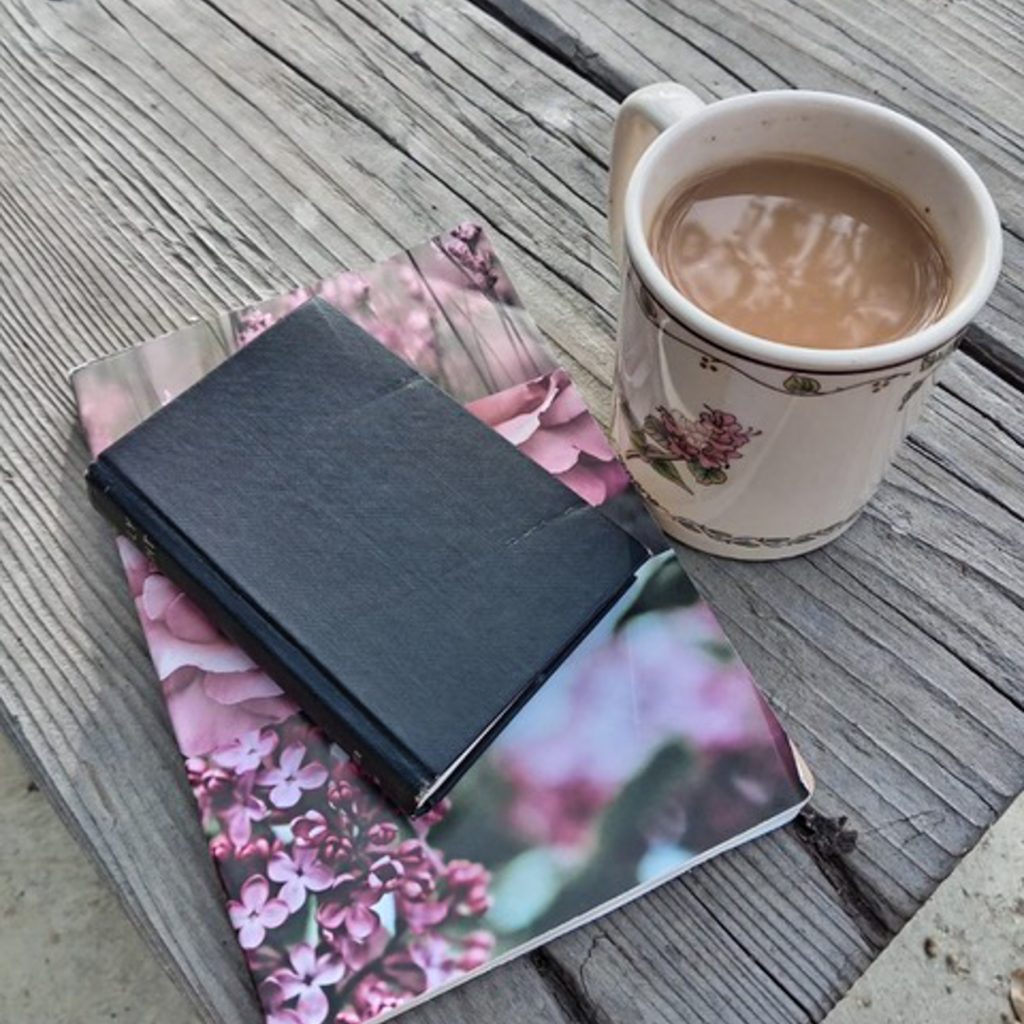
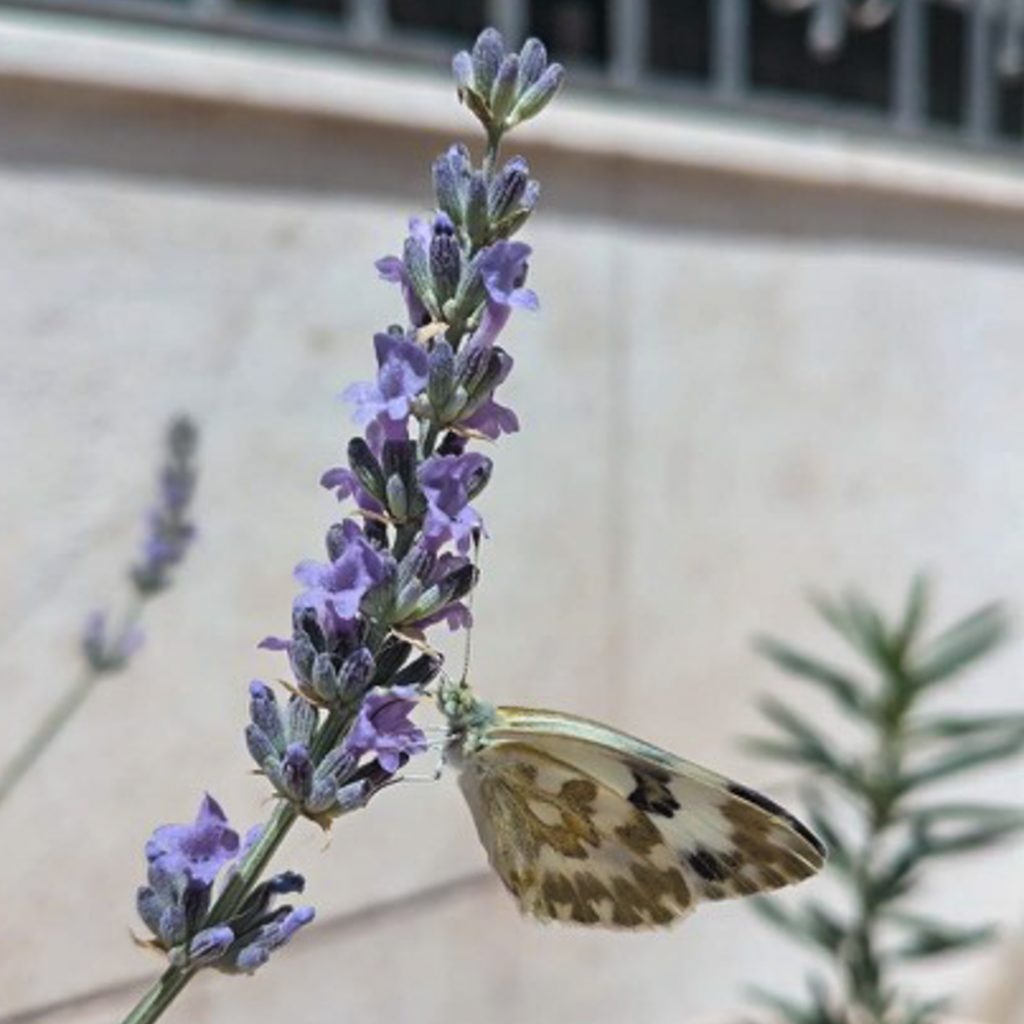
Photos by Heather M. Surls.
After completing the house, we memorized the names of birds that visited the feeder outside our breakfast nook’s windows: western bluebirds, woodpeckers, blue jays, flickers, nuthatches, juncos. We reproduced them in a collection of amateur watercolors that hang on the walls around my parents’ table to this day.
I still know those birds by name, still consider Tehachapi my hometown—but I don’t live there anymore. For more than a decade, I’ve resided in Amman, Jordan, where the distance to Gaza matches the distance from Tehachapi to Los Angeles. Living as a foreigner in the Middle East, I recognize the importance of identifying flora and fauna around me.
In Amman, birds gather on powerlines as they do everywhere—but they’re not just nondescript “birds.” They are living beings with names, creatures I can observe and interact with, around which I can form memories and feel wonder, for which I can give thanks. In Jordan, the laughing dove—cousin to the American mourning dove—chuckles beside the Palestine sunbird and the white-spectacled bulbul.
I can’t imagine not introducing myself to these inhabitants, of not getting acquainted with these neighbors. Naming them encourages feelings of attachment, helps tether me to my adopted home. As with learning the names of my Jordanian neighbors, learning those of feathered and plant friends cultivates within me a sense of belonging.
As a parent of American children growing up in Jordan, I consider developing this sense of belonging important. And so, on trips outside of Amman, Jarir Maani’s Field Guide to Jordan is a close companion. My 6-year-old loves paging through its reptiles, bugs, and birds. In the springtime, we regularly pull it off the bookshelf to identify wildflowers. During the pandemic, my then first-grader and I sat on our back patio and drew pigeons, Syrian woodpeckers, Eurasian jays, and Sinai rosefinches.
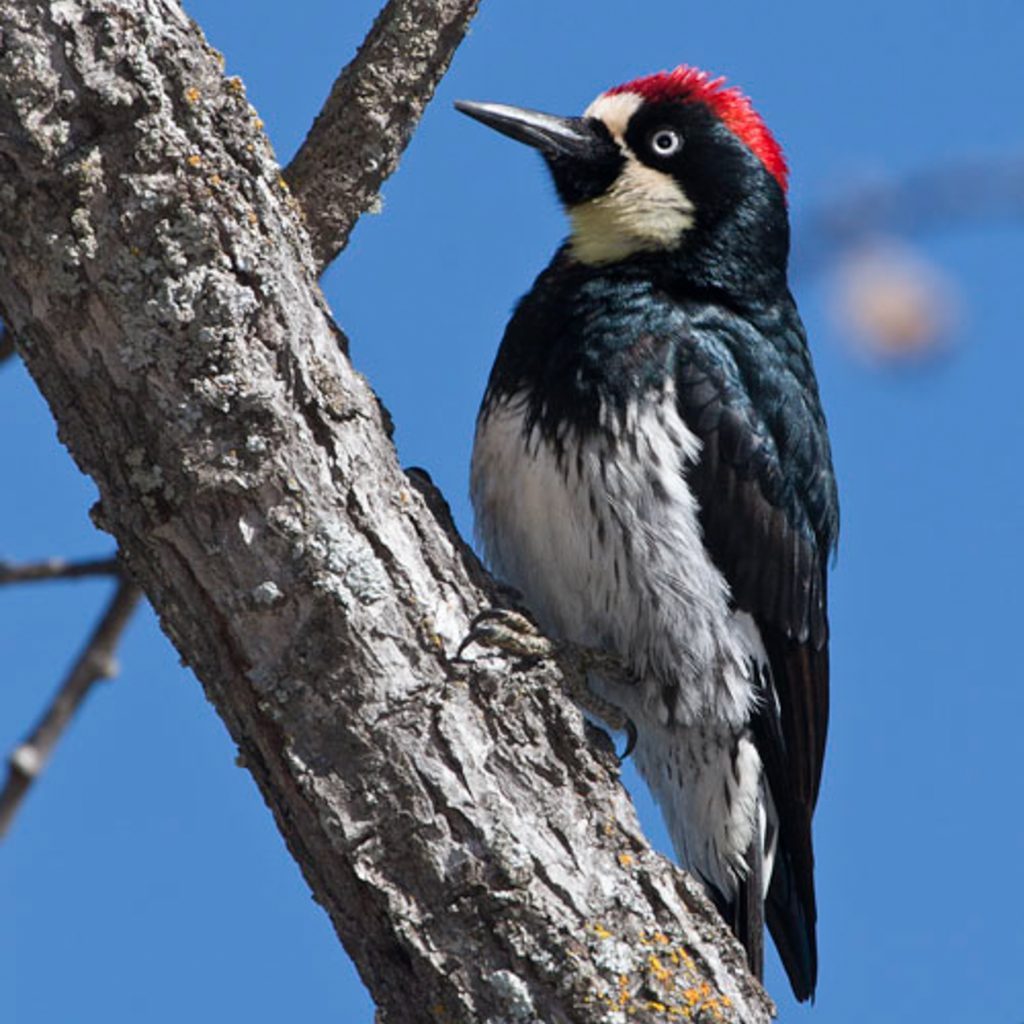
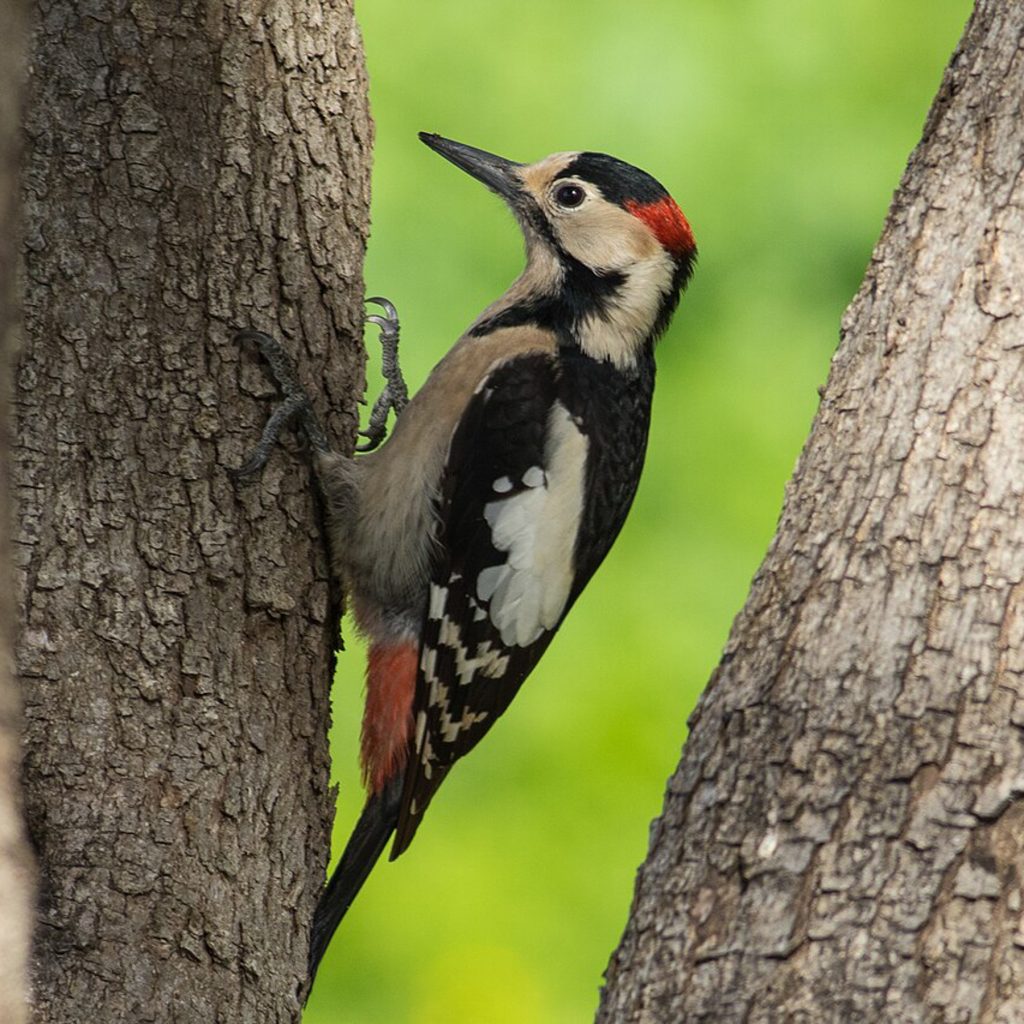
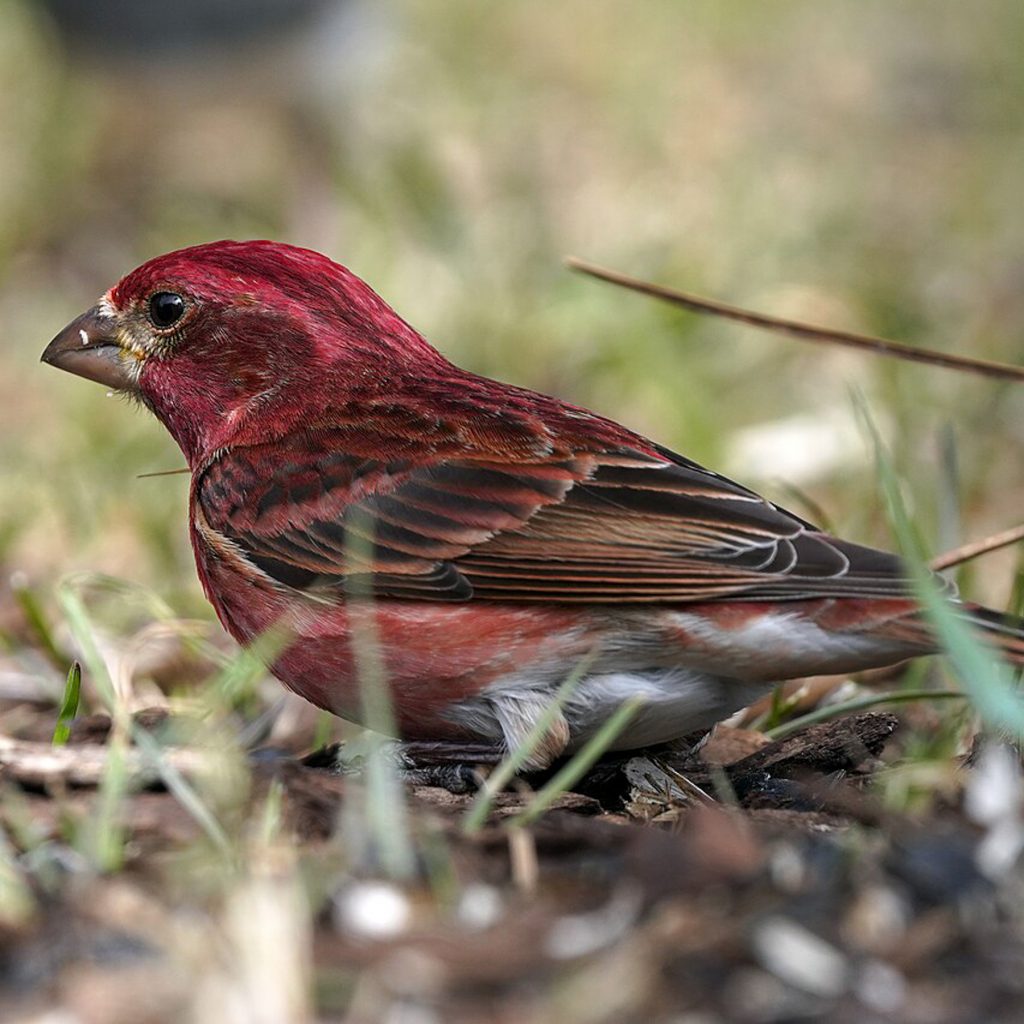
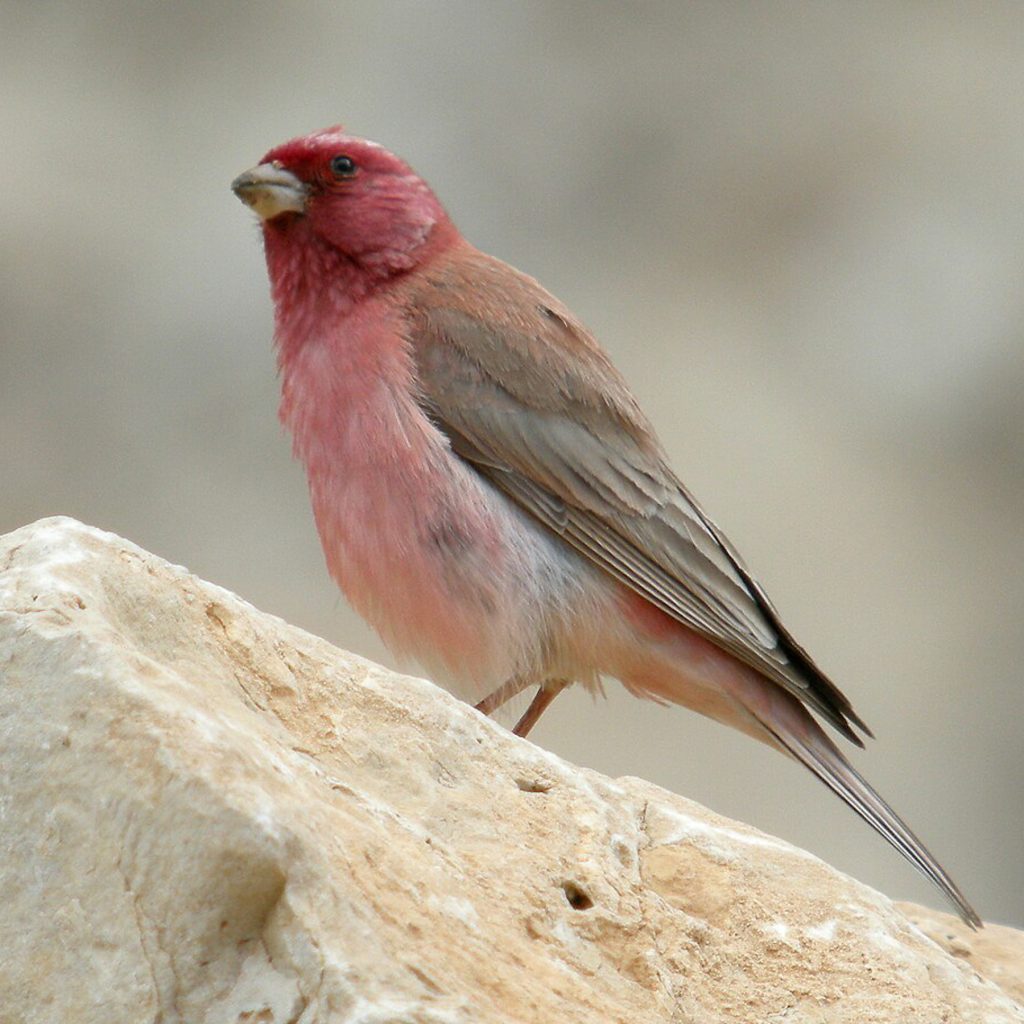
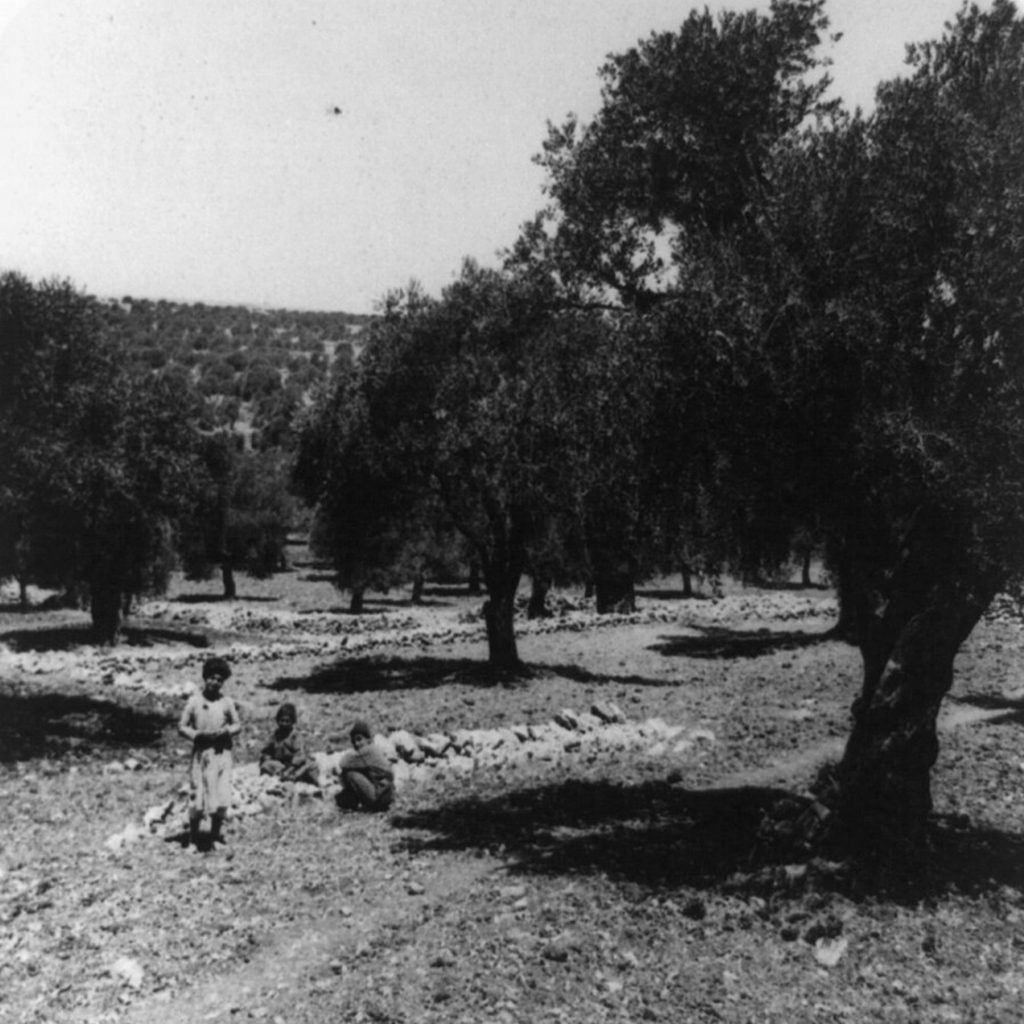
Photos courtesy of Wiki Commons.
In the Middle East, especially where I have lived in Jordan and Israel-Palestine, I meet men, women, and children whose attachment to their homelands is fierce. I don’t necessarily mean they’re uber-patriotic, or simply loyal to the concept of country, but that they love the literal dirt beneath their feet. Maybe it’s because these nations are so small—the size of some American states. Less mobility over generations knits residents to their land.
But the opposite is also true, in the Middle East and beyond: Dispossession and displacement seed intense passion for places—passion that fuels decades-long conflicts and wars.
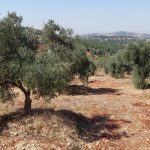
What I feel in Tehachapi, with this 5-acre patchwork quilt of memories flung around me, helps me better understand my Middle Eastern neighbors: the Jordanian Bedouin, who historically roamed the wilderness with their sheep, goats, and camels; Palestinians, who for centuries cultivated olive, fig, and pomegranate trees on the Holy Land’s terraced slopes; Jewish Israelis, who daily faced Jerusalem as they prayed during their 2,000-year exile.
My attachment to Tehachapi helps me understand the forces at play in my turbulent, temporary home region: the grief that sometimes accompanies urbanization in Jordan; the weeping of Palestinians at olive trees uprooted by settlers; the refusal of Gazans to be displaced; Israelis’ fight for survival. In this region, people both delight in and willingly suffer for geographical spaces.
In the Middle East—as anywhere on the planet—land is not only the soil from which plants grow and over which birds fly. It’s the canvas on which memories are painted, the page on which our lives are drawn.
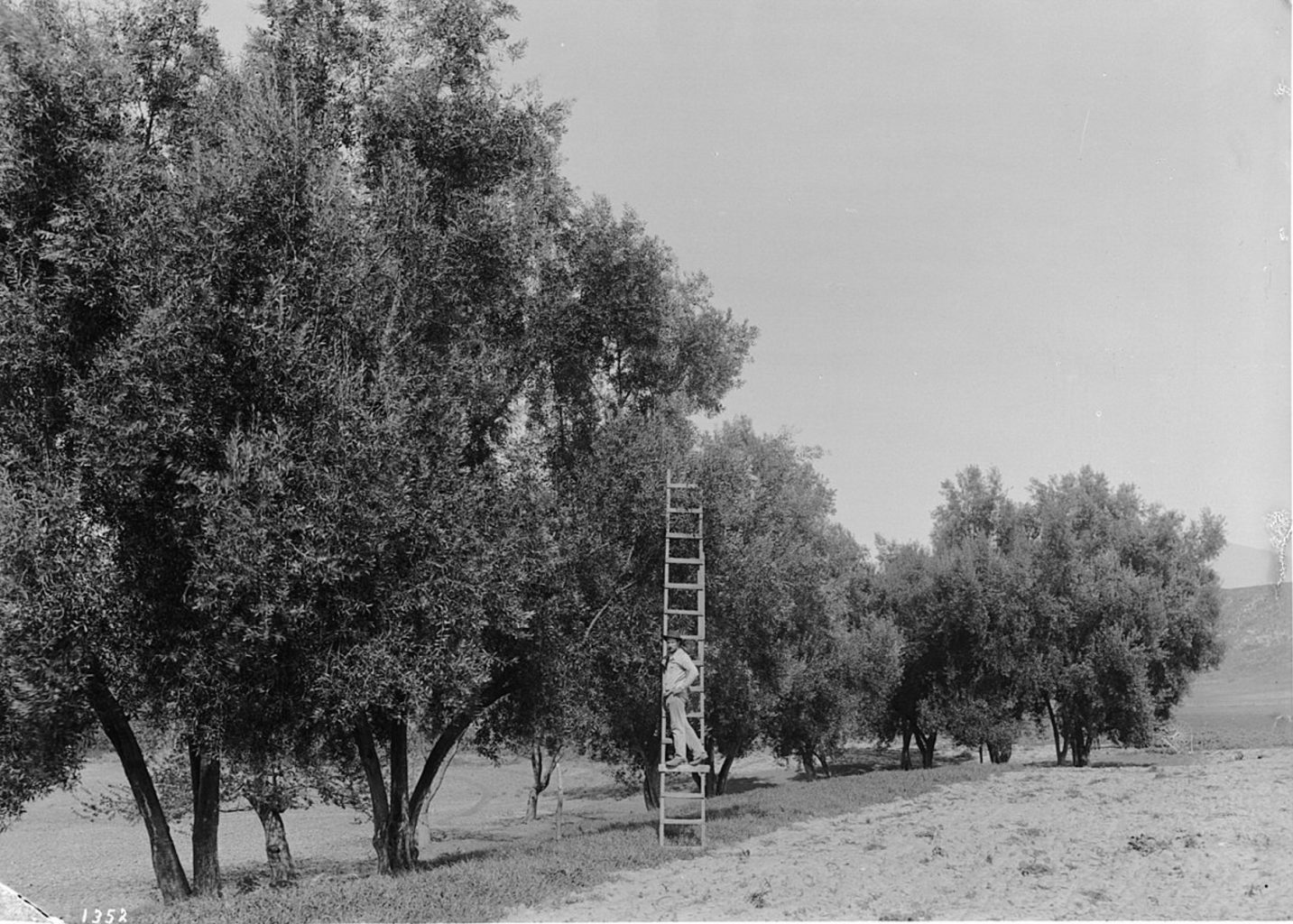
Photos courtesy of Wiki Commons.
Heather M. Surls
Heather M. Surls is an American creative writer and Arabic-speaking journalist living in Amman, Jordan. Her reporting has appeared in Religion News Service, Christianity Today, and Hidden Compass, and her essays in journals like Catamaran, Brevity, and River Teeth. She is the author of Beyond the Jordan: Dry Places, Misunderstood Peoples, and Imperfect Attempts at Prayer, a memoir-in-essays about more than a decade lived in the Middle East.



.jpg)
.jpg)
.jpg)
