
PHOTOGRAPHY BY SUSIE POST-RUST
STORY BY SUSIE POST-RUST AND SHELLY NGO
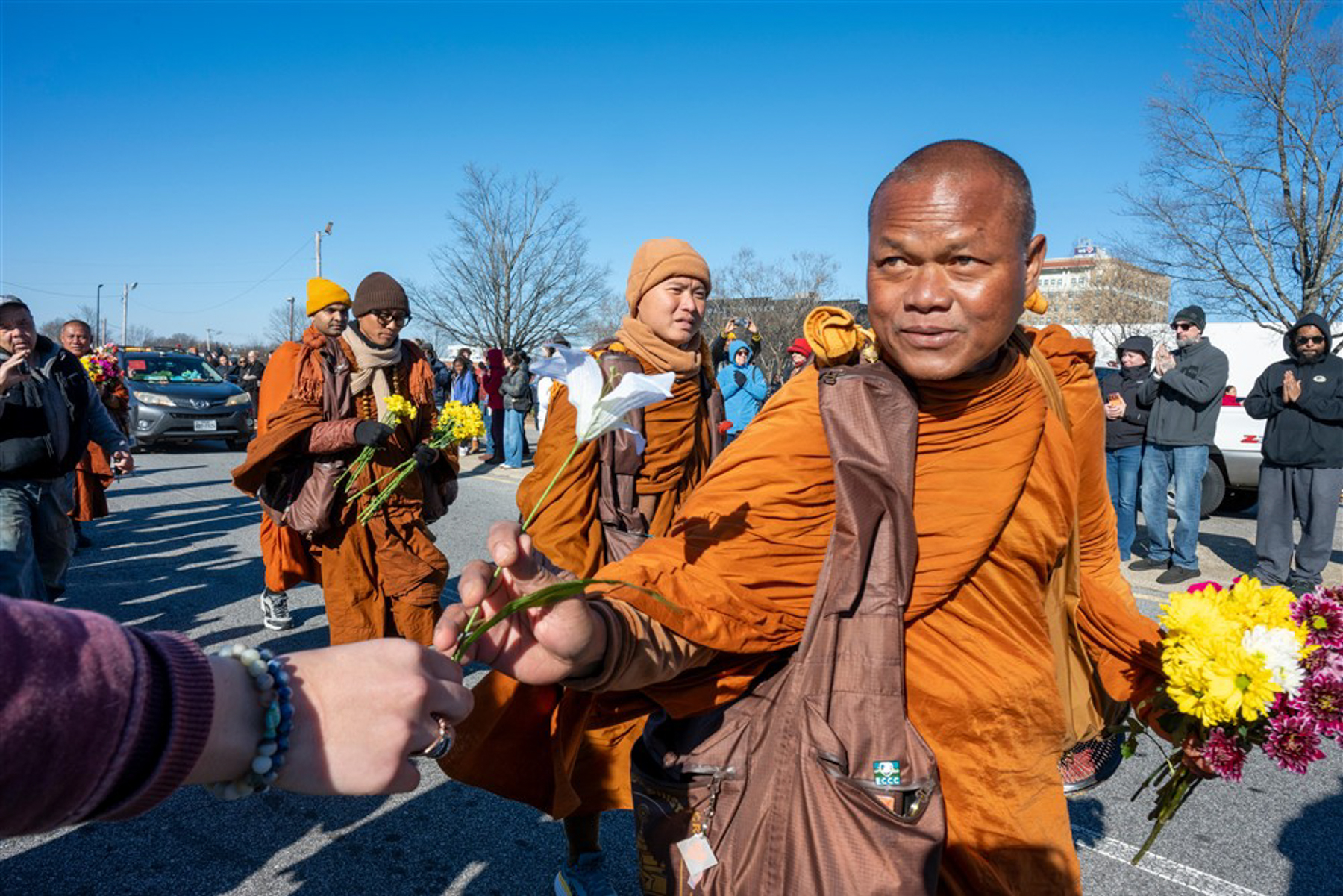
As a group of Buddhist monks journeyed on foot from Texas to Washington, D.C., crowds lined the roads and highways to view their Walk for Peace. Photographer Susie Post-Rust photographed the monks at several stops in North Carolina where thousands gathered, drawn by the monks’ messages of love and compassion.
“Everybody’s been collectively holding their breath because it’s been such an ugly climate with our political leaders and the climate of the country,” said a social worker from Greensboro, as she waited along Vickrey Chapel Road in High Point to see the monks.
“When you see all these different cultures—all these different faiths, religions, people of color—all come together to celebrate in silence and see these monks come through, in the name of peace? That should tell people something,” the social worker said. “We’ve been missing this, and we’ve been wanting this…because it’s truly who we are. This country out there on the news, all that ugliness, that’s not who we are as Americans. This is America, right here.”
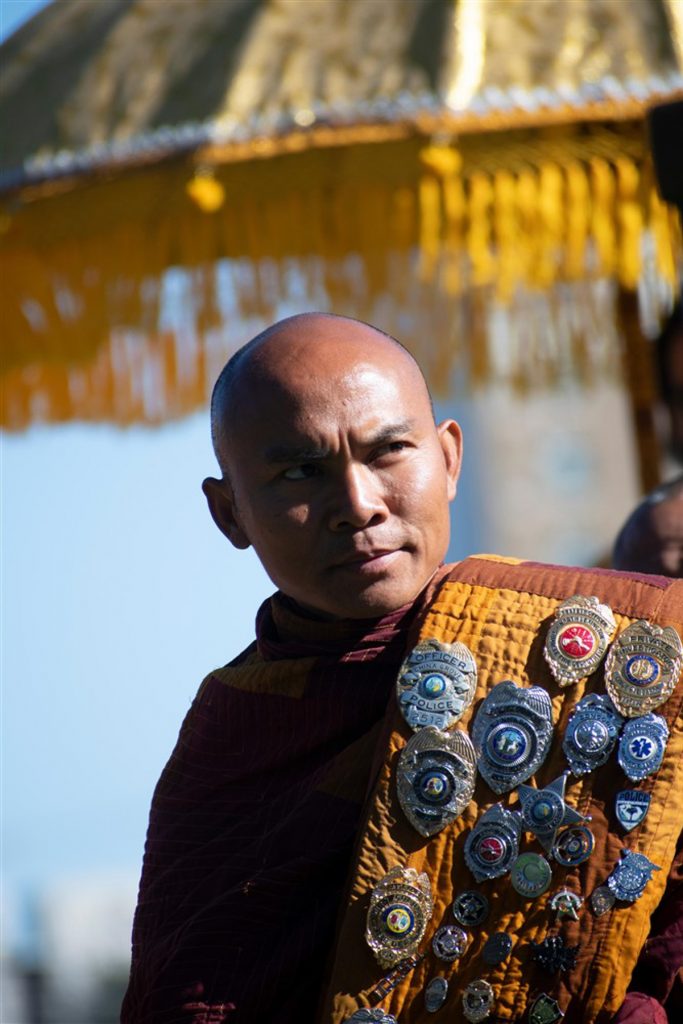
The Venerable Bhikkhu Pannakaara is the leader of the monks walking for peace. On his blanket, he wears the pins given to them by officials, police, or firemen from every town the group has visited.
On Jan. 20, more than 7,500 people packed Truist Point Stadium in High Point. Crowds stood around the entire circumference of the field to hear Bhikkhu Pannakaara speak for almost an hour.
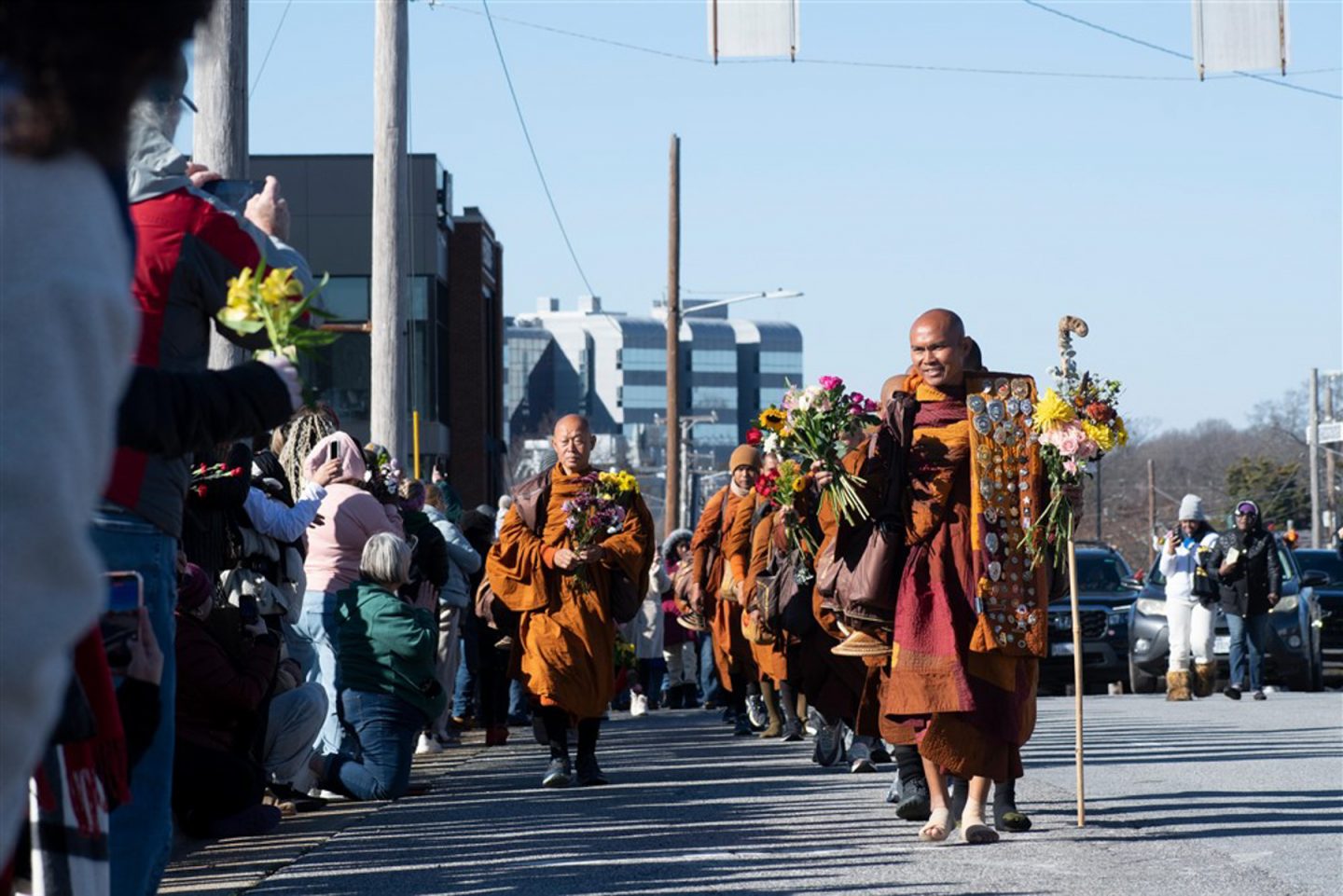
After the Truist Point Stadium event in High Point, N.C., the monks resumed their walk, heading toward Greensboro. In total, the monks will have walked 2,300 miles across 10 states on their pilgrimage from Fort Worth to Washington, D.C.
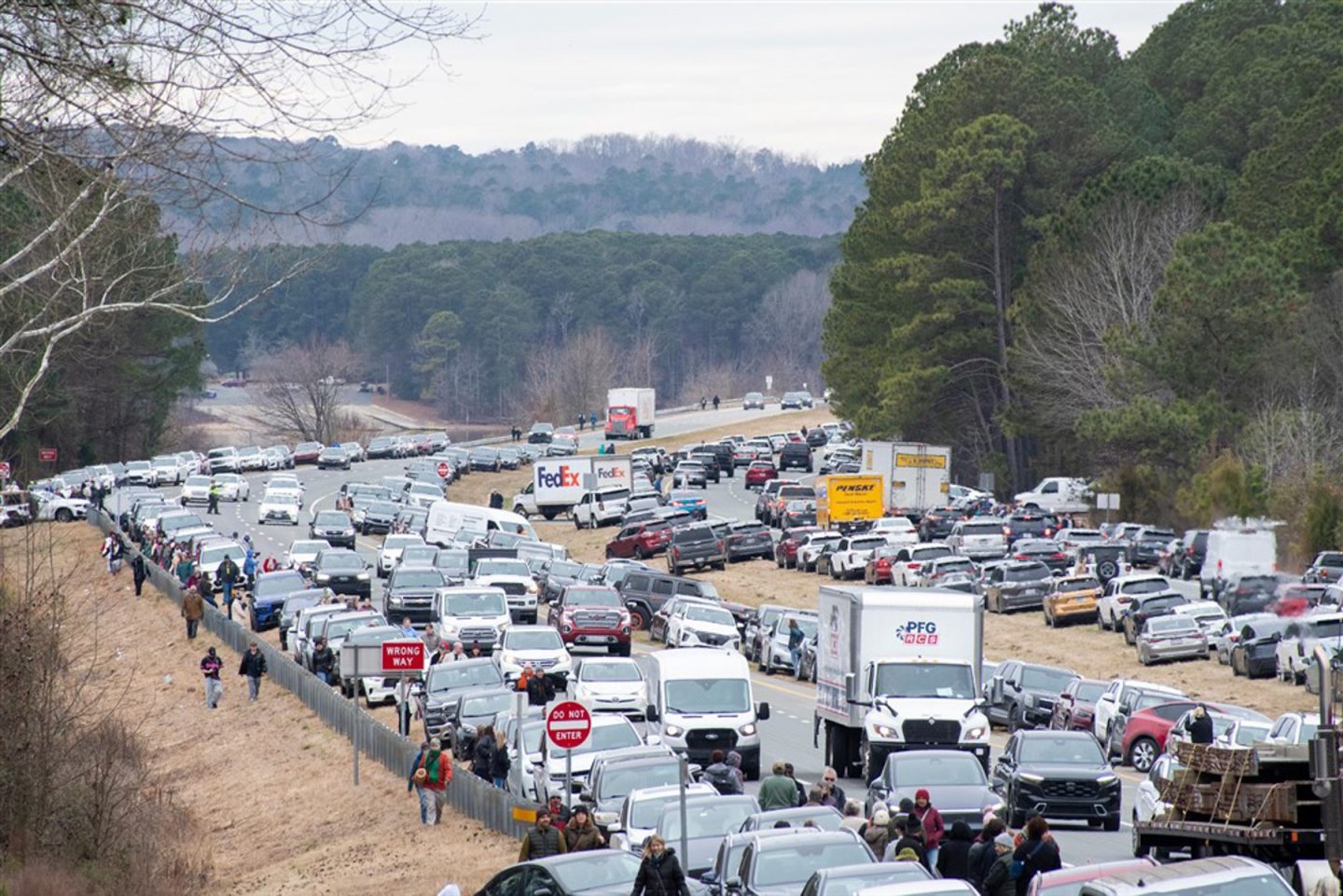
Highway 64 in rural Chatham County is a four-lane highway where people normally whiz past. On Jan. 23, drivers caused a traffic jam as they parked on both sides of the highway, waiting to see the monks marching in their Walk for Peace.
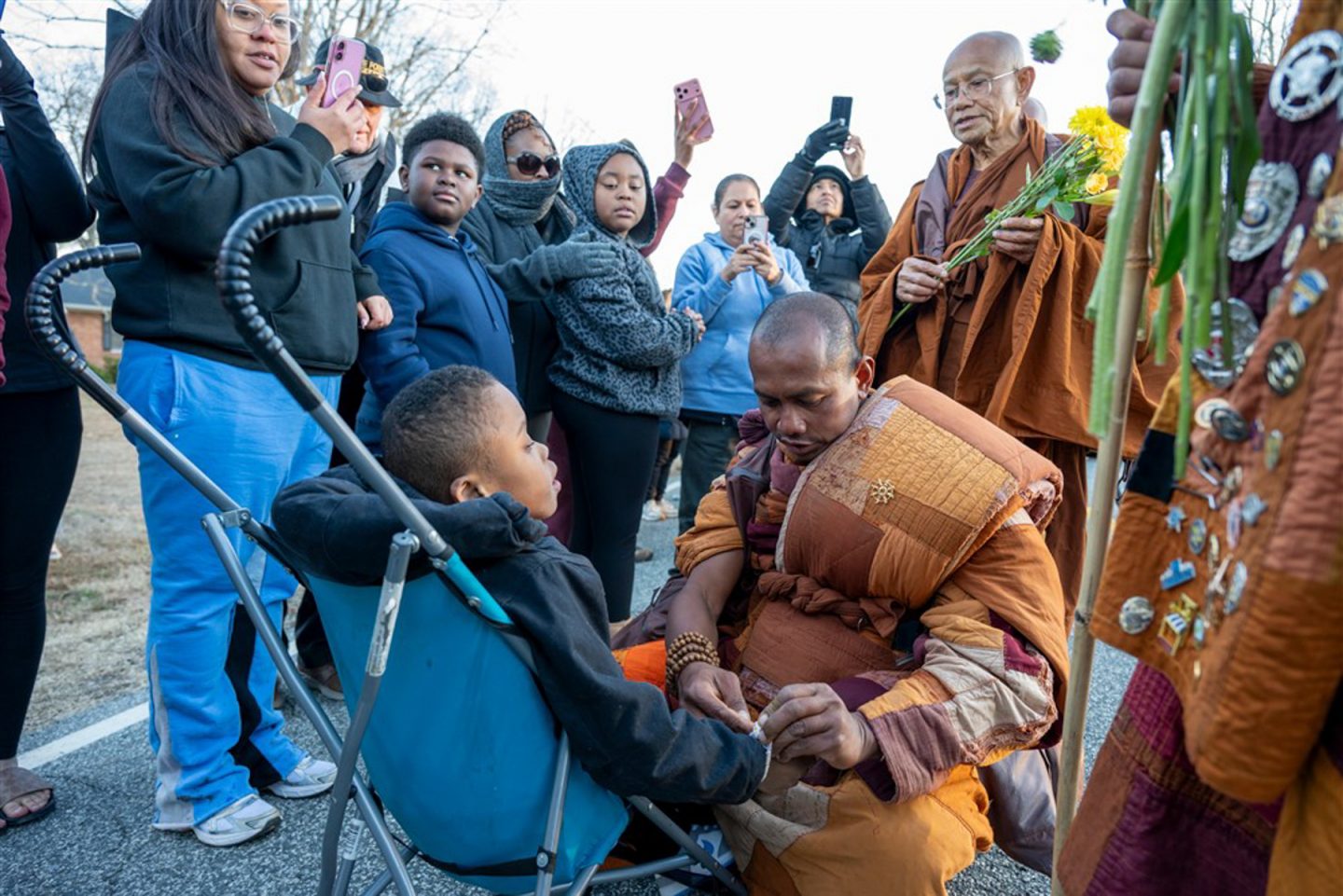
The monks stopped to honor Hudson, a 9-year-old boy who requires a stroller for mobility. “We were waiting for them to come,” said Hudson’s mother, Cartrinetta. “As soon as they looked down and saw him, they just stopped. They started to pray and gave him this little bracelet. It was touching,” Cartrinetta said. “It was beautiful. It was so nice.”
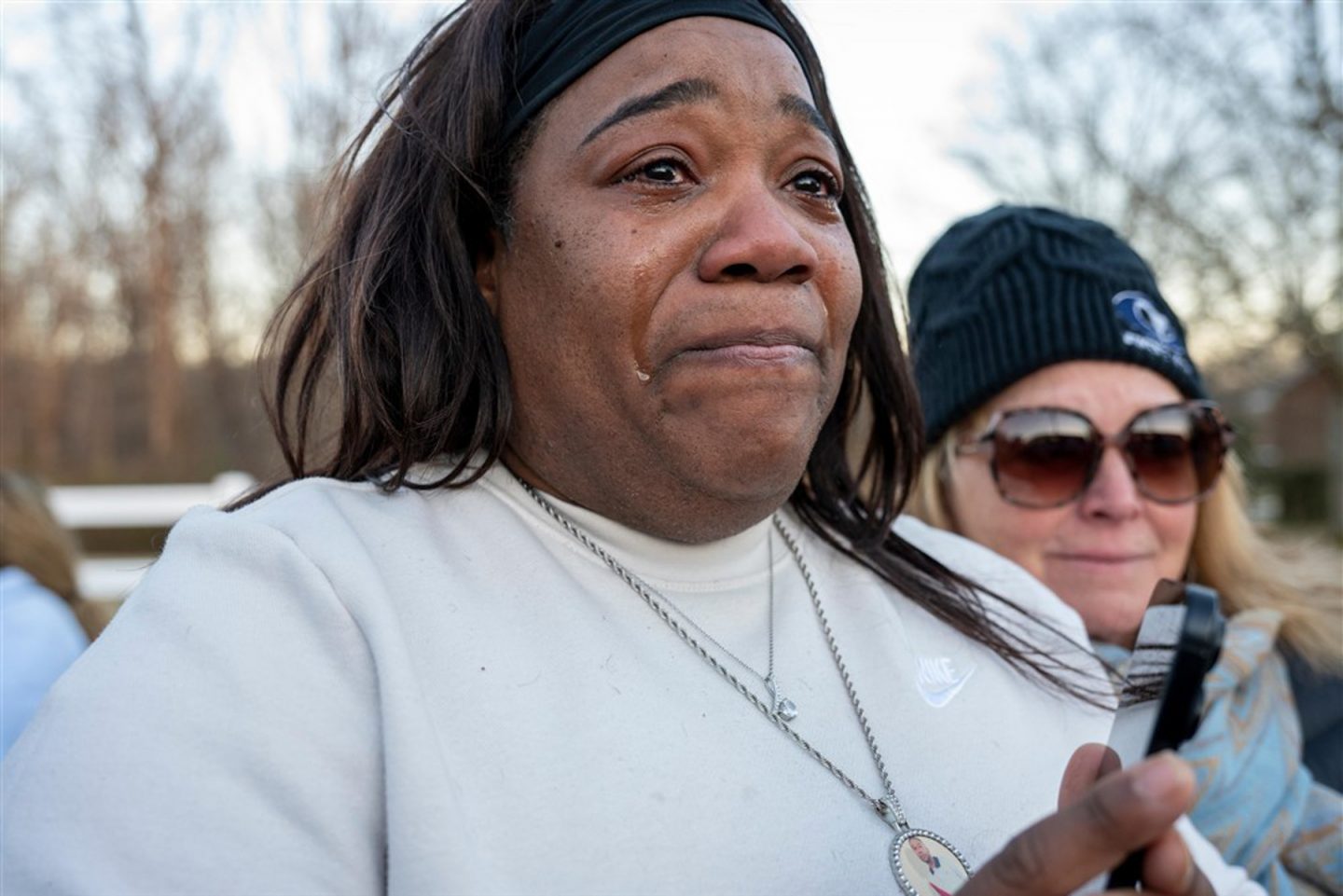
Tears rolled down Cartrinetta’s face as the monks prayed with her son and presented him with a bracelet. Their simple gesture said: “You are seen. You are not forgotten on this road.”
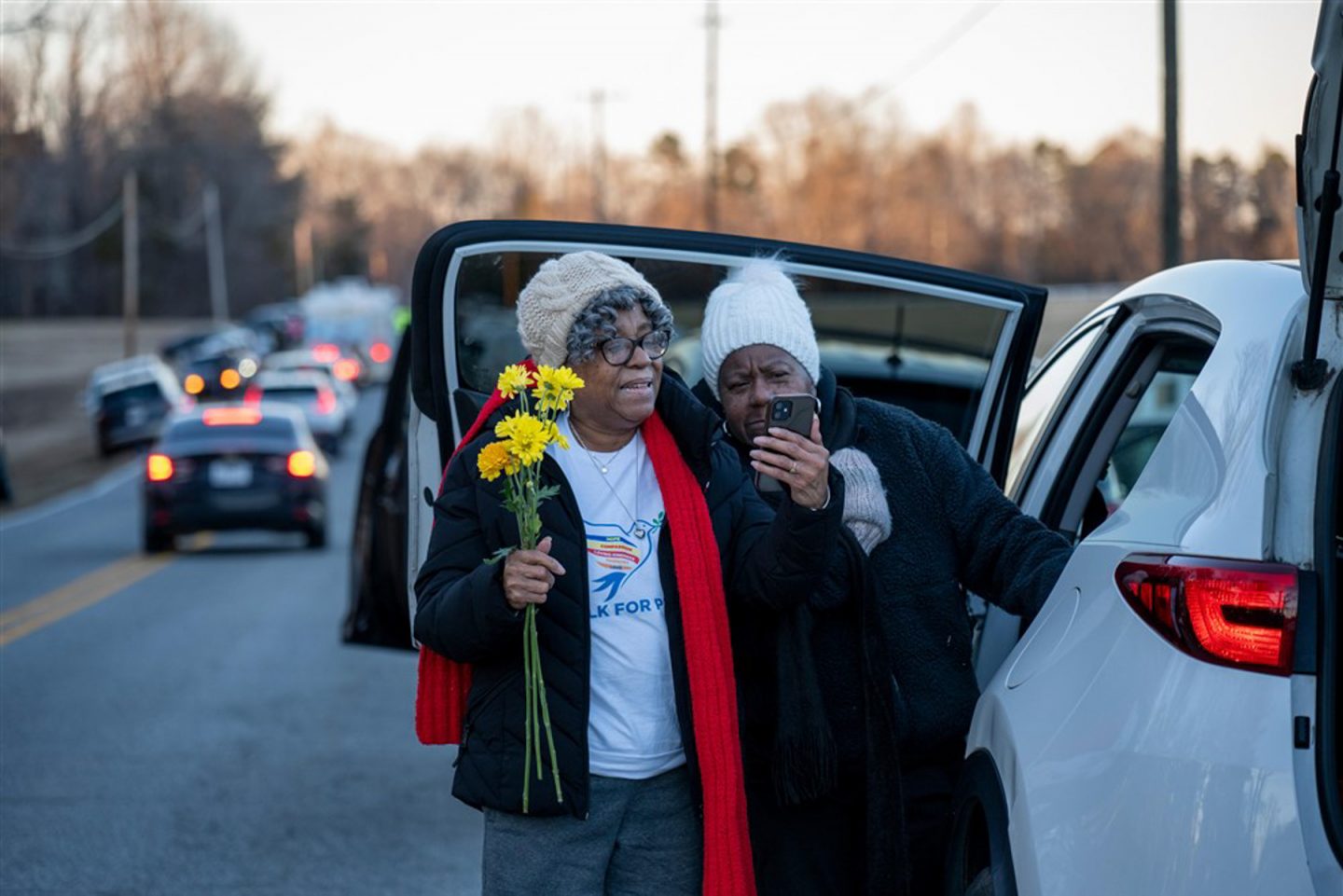
Two women on Vickery Chapel Road in High Point review the photos they took of the monks on a cell phone.
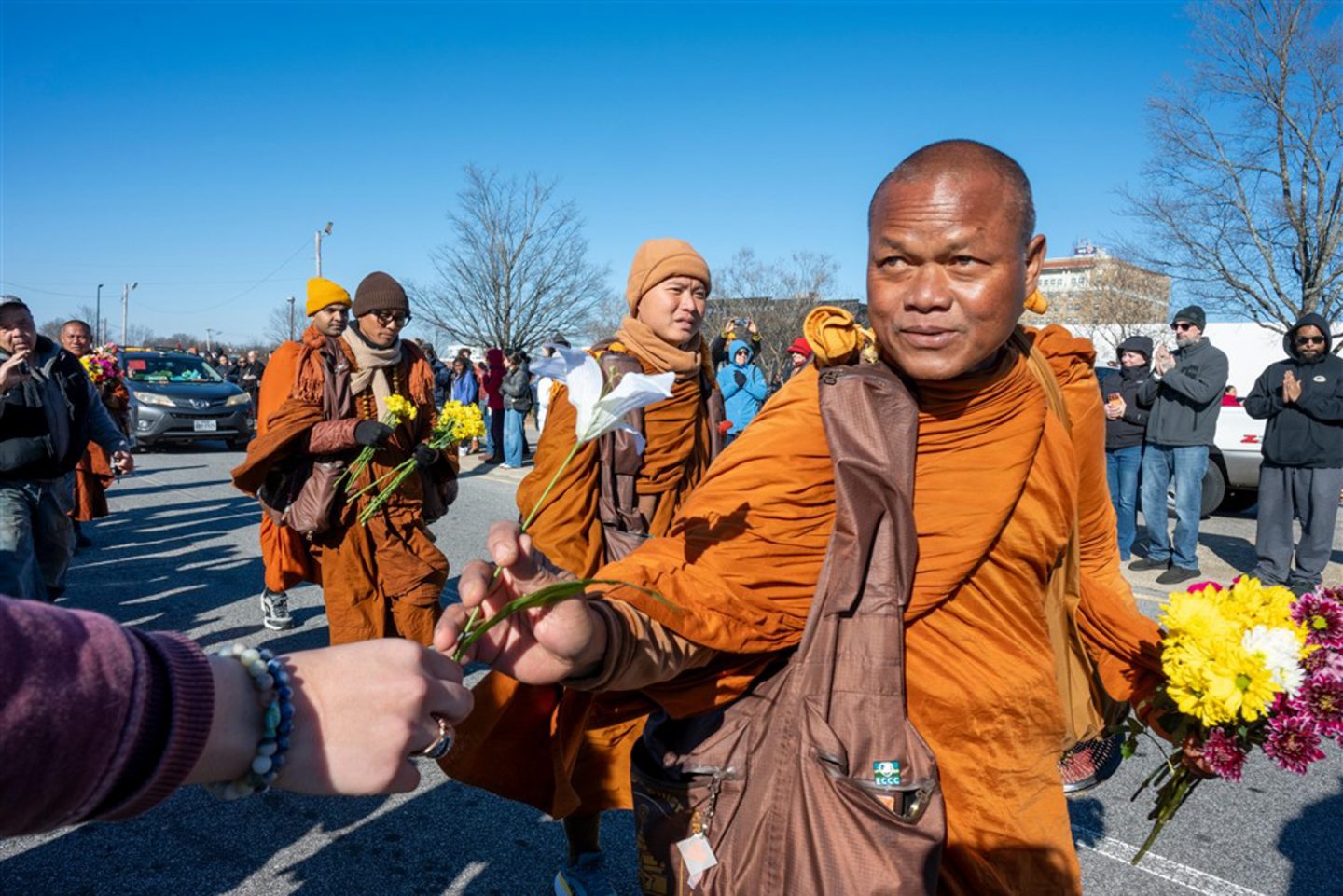
Sometimes the crowds pressed flowers into the hands of the monks, which the monks later gave to others they encountered further down the road.
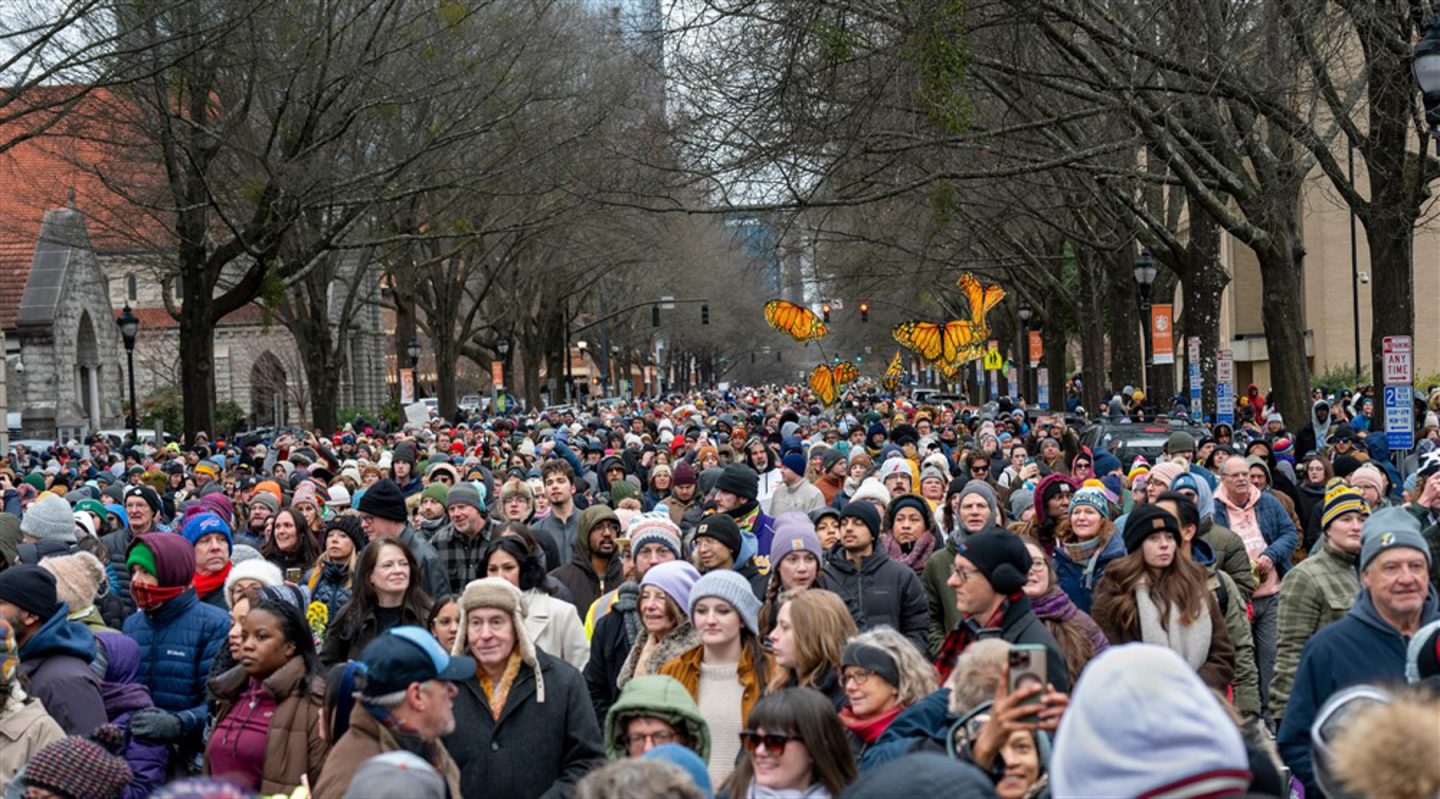
On Saturday, Jan. 24, more than 8,000 people showed up in the frigid 21-degree temperatures for the Walk for Peace in Raleigh. Together with the monks, the crowd walked through the Boylan Heights neighborhood and eventually down Hillsborough Street to the North Carolina State Capitol.
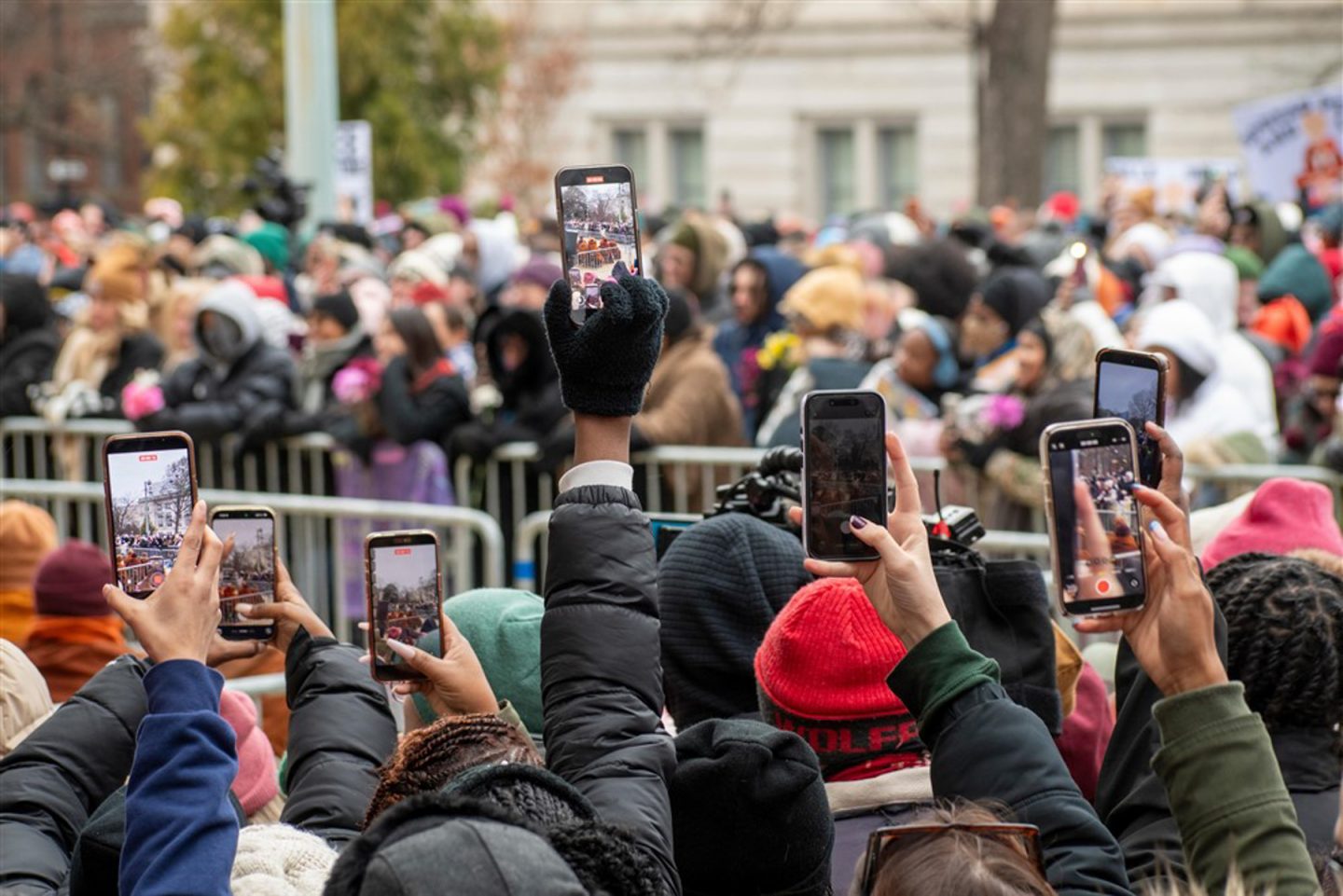
With crowds filling Hillsborough Street and covering the entire lawn of the capital, people resorted to holding their phones in the air to see even the backs of the monks.
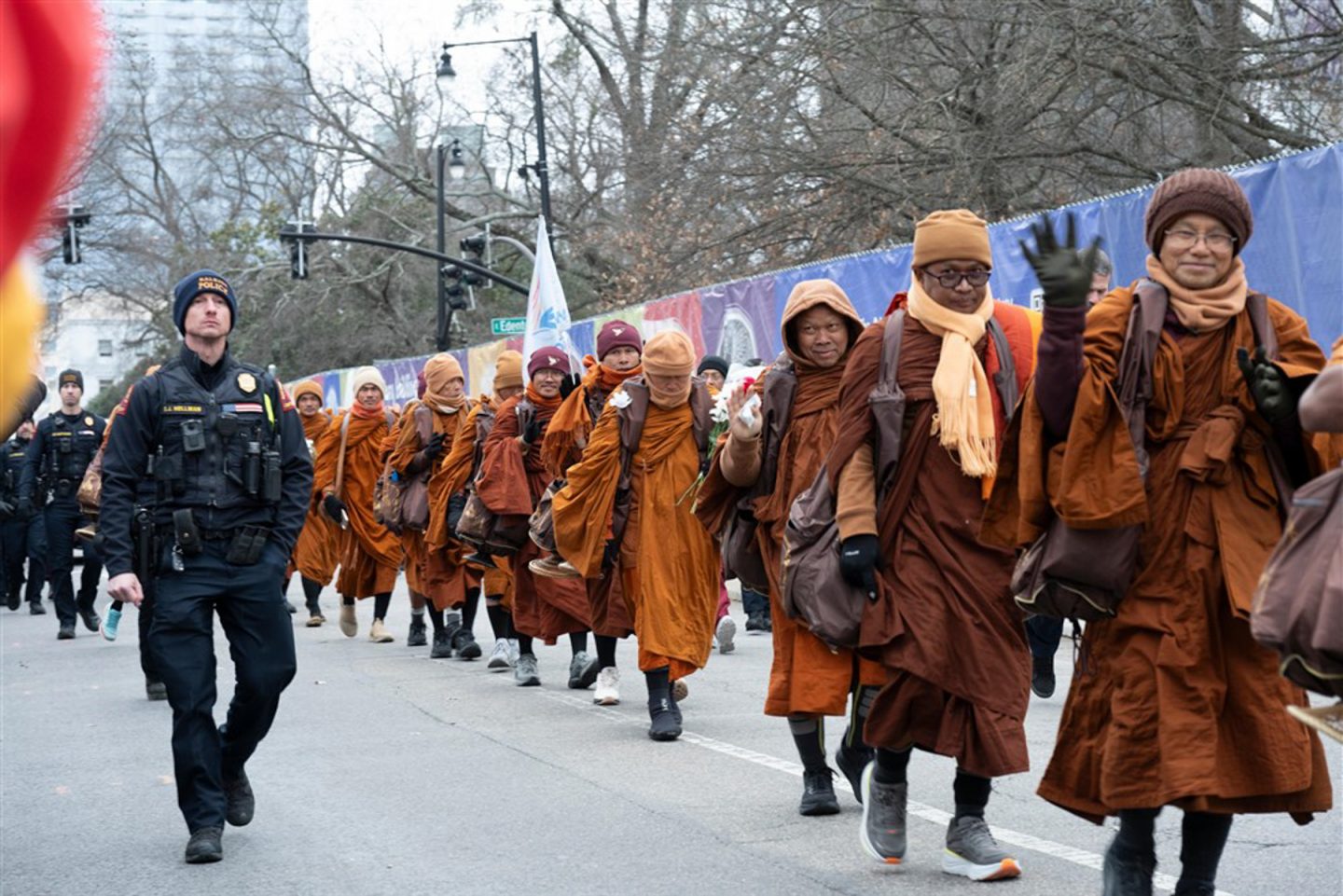
“Everyone has walked with us in spirit. Everyone has welcomed us with open hearts and shown us that peace is alive and possible. Now, together, we will continue this walk—not just for a season, but for a lifetime.”
—Walk for Peace Facebook post, Feb. 5, 2026