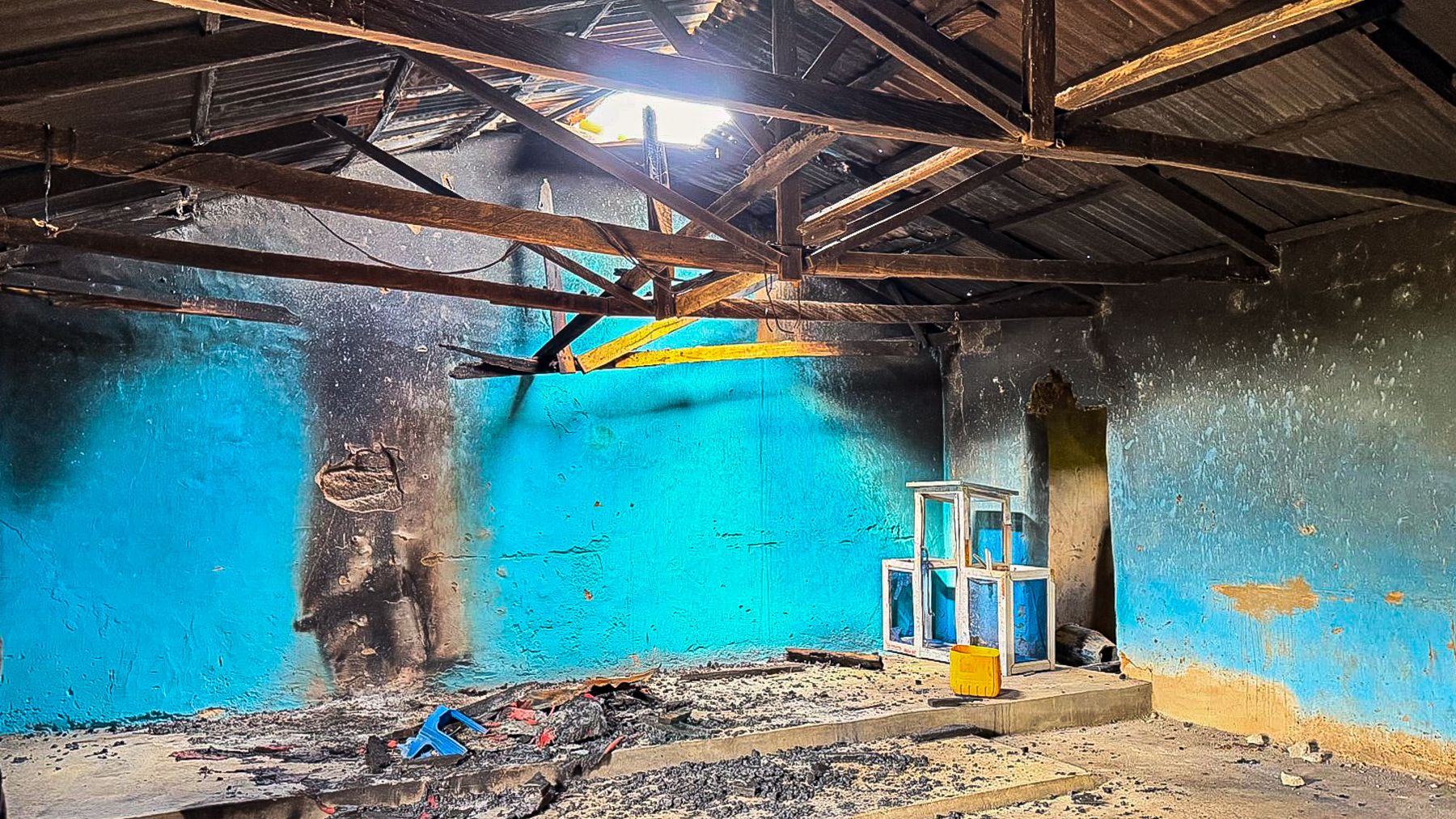
Baptist church in Jwak village, 52 miles southeast of Jos in Nigeria’s Plateau State, after being burned by Fulani ethnic militants last month. Photo provided by ETP staff. All Rights Reserved.
BY AJ JOHNSON
The voice comes low and steady through the phone from a market stall in Lomé, the capital of Togo in West Africa. The man’s voice is almost swallowed up by the noise around him.
In Hédzranawoé, a busy commercial district within the capital, motorcycle horns cut through the afternoon heat. Traders call out prices in Ewe, one of Togo’s two national languages, and in French, the country’s official language. Bolts of Ankara cloth lean against shop walls. Secondhand jackets, dresses, and shirts spill from bales toward the street.
Inside his shop, Tope Baba speaks as though he has repeated the sentence long enough for anger to cool into judgment.
“It is the government that is killing us,” he says.
Baba is a Nigerian entrepreneur living in Togo. Like thousands of other Nigerians, he trades goods between Togo and Nigeria. Baba is a son of Ekiti State in the southwestern area of Nigeria. He now lives far from the villages and cities that fill his phone with bad news. At night, Baba scrolls through Nigerian updates, Facebook posts, community alerts, diaspora chats, and videos of families pleading for help after raids, kidnappings, and attacks.
He knows the names of the armed groups in Nigeria: Boko Haram, the Islamist extremist movement whose insurgency began in 2009 with the aim of overthrowing the Nigerian government and establishing an Islamic state. Lakurawa, a hybrid jihadist-criminal armed group that operates in the northwest and along the Nigeria-Niger borderlands, and armed herder militias, often described locally as Fulani jihadist militias, whose attacks in the Middle Belt, the area between Nigeria’s predominantly Muslim north and its predominantly Christian south, target non-Muslim communities—often Christian communities.
When Baba talks about the violence, he comes back to the same accusation: The State has failed to protect its people.
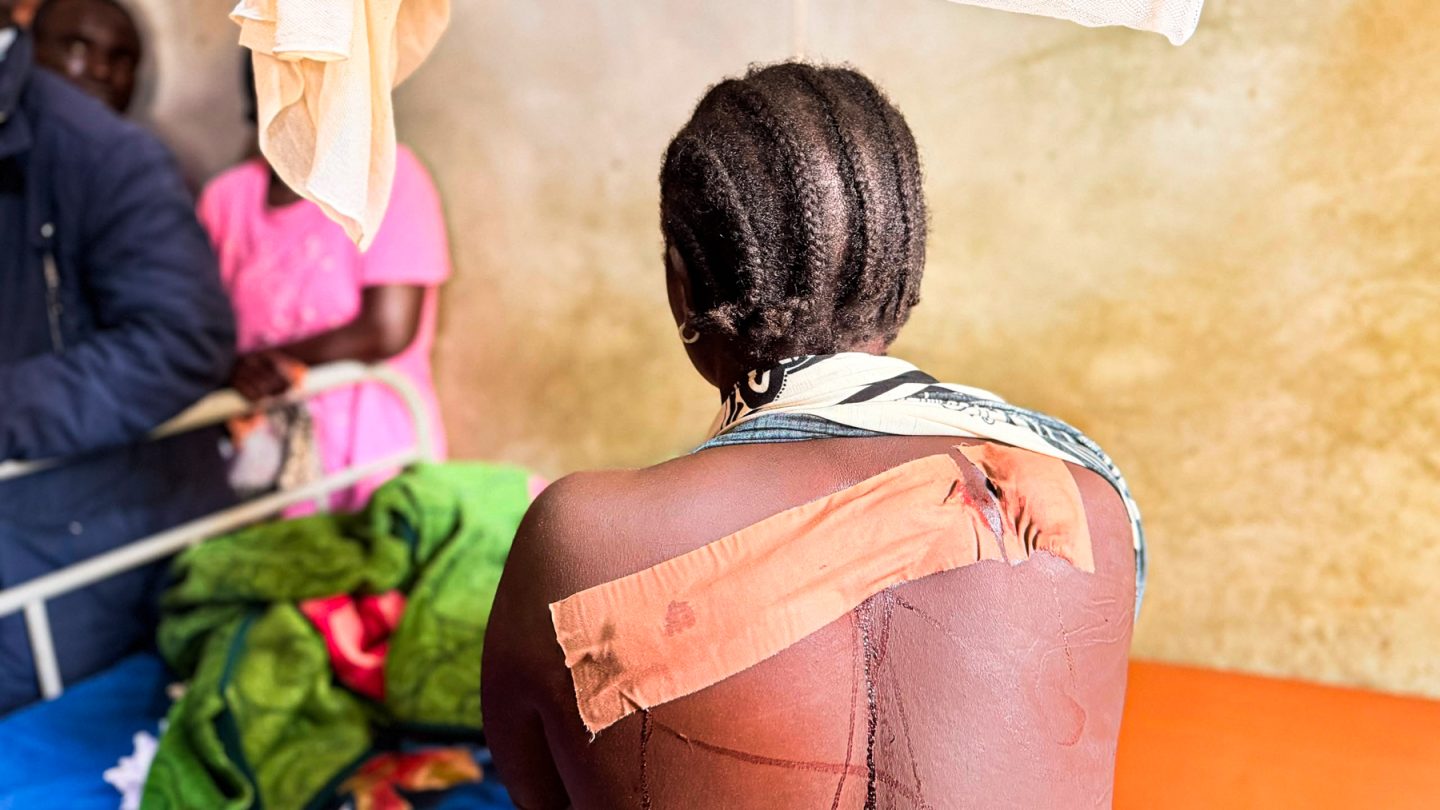
In August, at least 23 people were killed by Fulani ethnic militants in Mangu Local Government Area, Plateau State, Nigeria. Photo provided by ETP staff. All Rights Reserved.
For months, that accusation was also the language of U.S. politics. In late October 2025, President Donald Trump restored Nigeria to the U.S. list of Countries of Particular Concern for severe violations of religious freedom and said Christianity in Nigeria faced an “existential threat.” The next day, he warned that if Nigeria did not move quickly to stop the killing of Christians, the United States could halt aid, send troops, or conduct airstrikes. Reuters reported Trump bandying about the notion of having U.S. troops on the ground or airstrikes in Nigeria.
Nigeria rejected the framing. President Bola Tinubu’s government said it remained committed to religious freedom and would welcome U.S. support against terrorists only if Nigeria’s sovereignty was respected. Nigerian officials insisted that extremists and criminal groups kill Muslims and Christians alike.
Then, on Christmas Day 2025, the argument moved from threat to action. U.S.-backed airstrikes hit two ISIS-linked camps in Nigeria’s Sokoto State, according to Reuters. AP reported the strikes were carried out in cooperation with the Nigerian government and likely targeted the Lakurawa group, an extremist faction operating in the northwest. Nigerian authorities said the operation respected sovereignty and international law.
For some Nigerian Christians, the strikes sounded like long-awaited recognition. For others, they raised a harder question: When the world finally notices your suffering, what kind of help arrives?
Baba does not answer quickly.
“When your pastor has buried people again and again, you begin to say, ‘Anybody that will stop this, please come,’” he said. “At the same time, we have seen what happens when big powers come with guns and then go away when they are tired.”
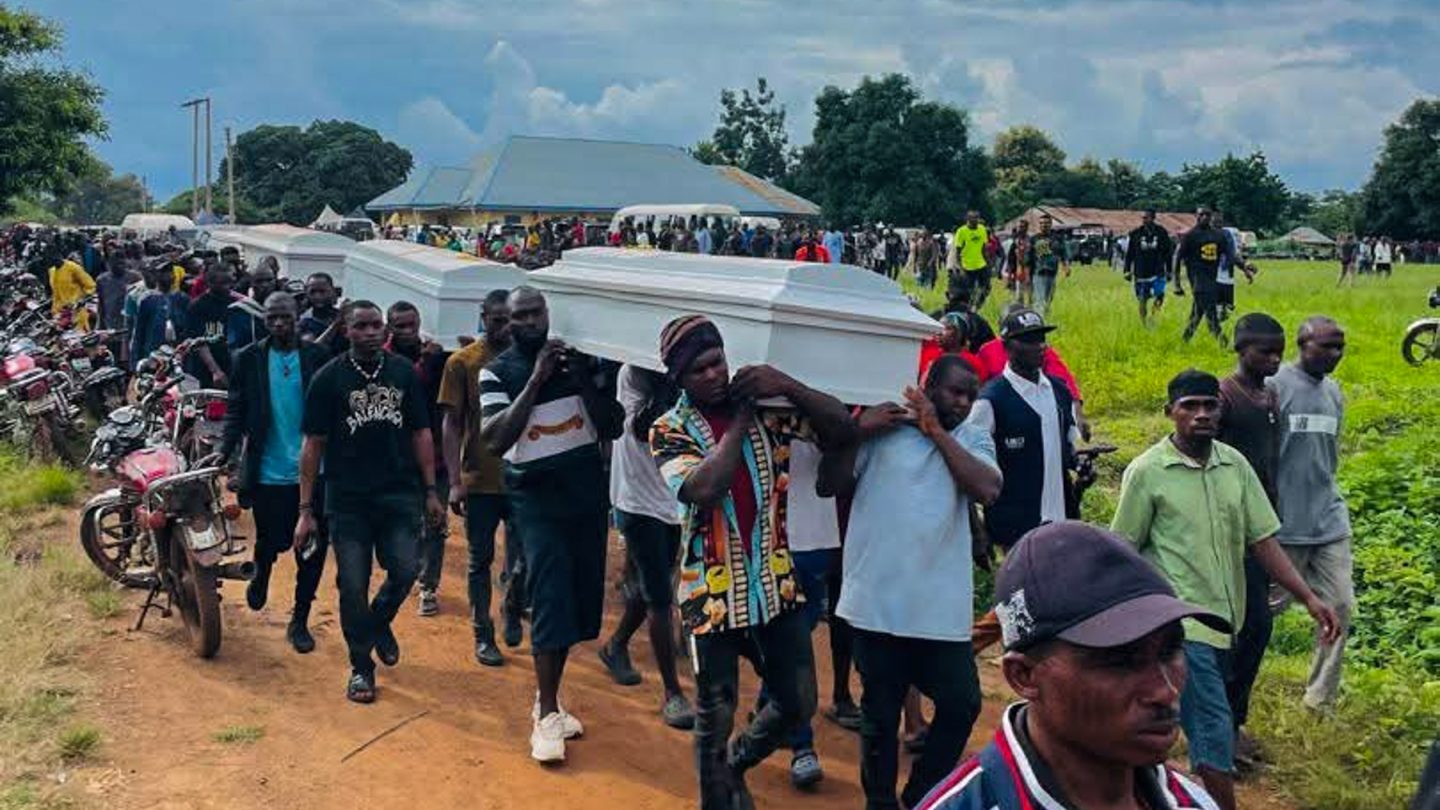
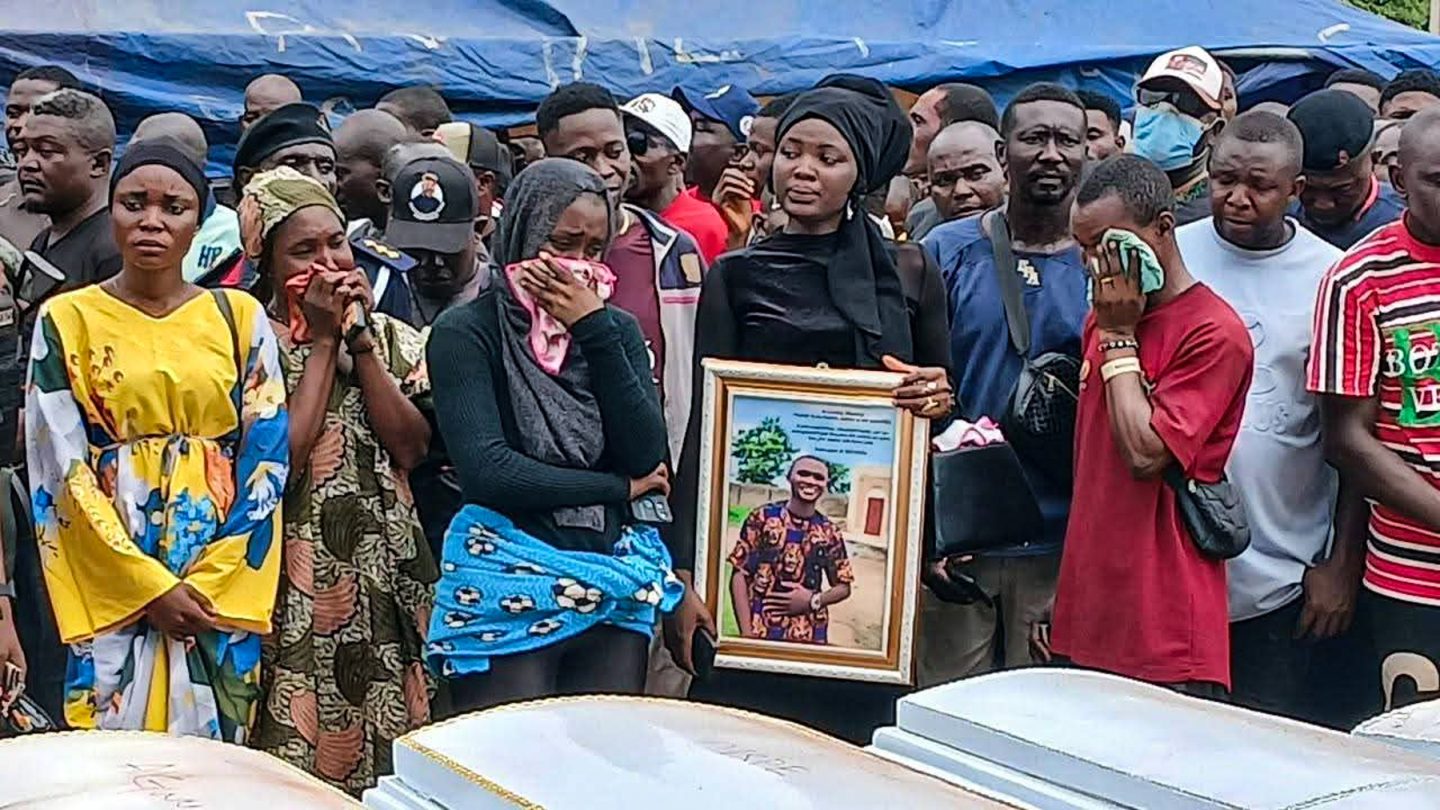
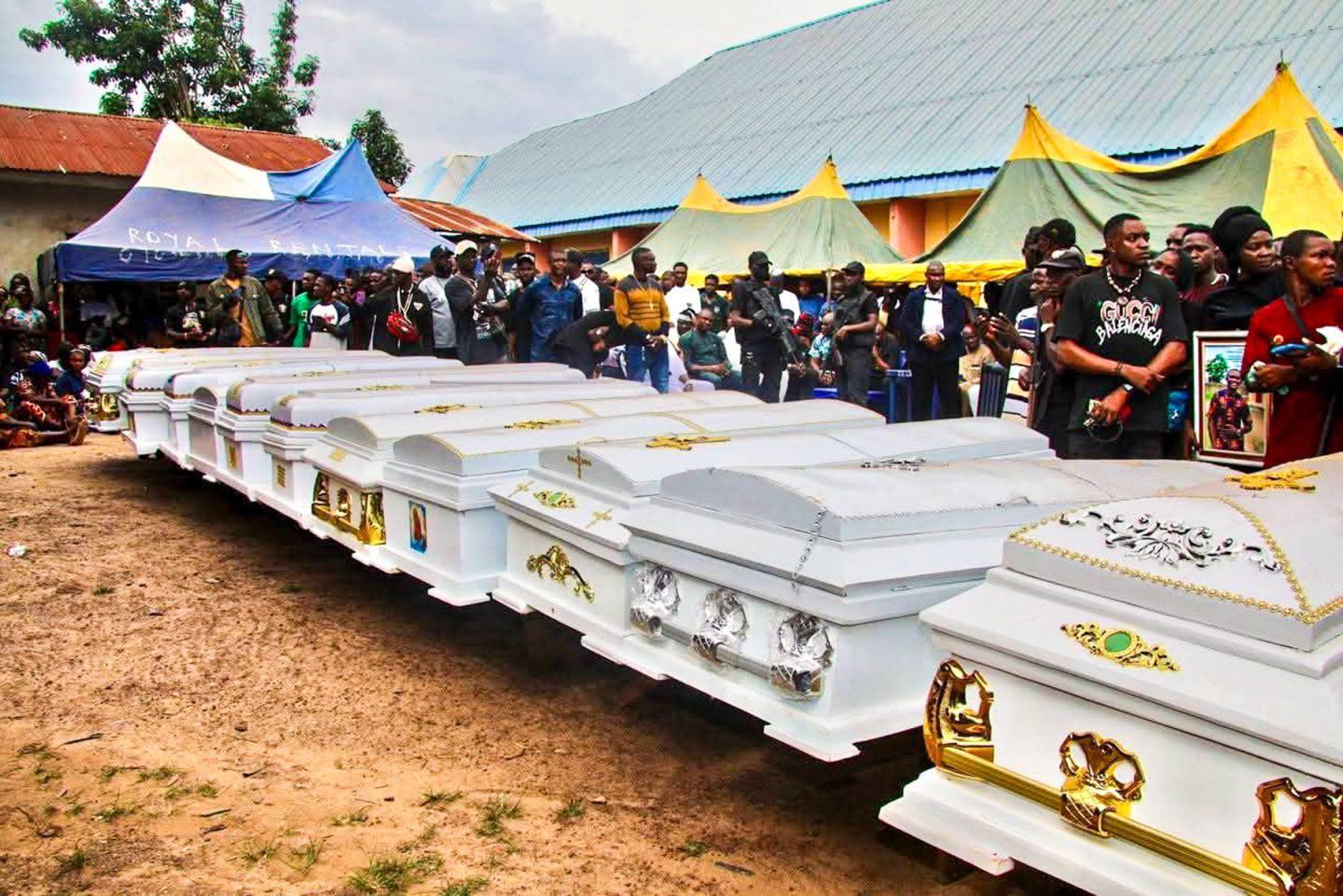
This July, 16 people were killed by Fulani ethnic militants in Efeyi-Utikpi, Ugboju, in the Otukpo Local Government Area of Benue State, Nigeria. Their burial was held early August. Photo provided by ETP staff. All Rights Reserved.
Deaths That Refuse a Simple Story
Christian advocacy groups have long warned that Nigerian believers face some of the deadliest persecution in the world. Open Doors, which publishes the World Watch List, says Nigeria has been the most violent place in the world for Christians for several years. Its 2026 reporting said Nigeria accounted for the most Christians killed for their faith worldwide, with EWTN Vatican citing Open Doors figures of 3,490 Christians killed in Nigeria out of 4,849 globally.
That reality has driven some U.S. politicians and Christian advocates to describe Nigeria as the site of a Christian genocide. Senator Ted Cruz has spoken of “Christian mass murder” and called for sanctions on Nigerian officials.
But other data complicates the claim. The Associated Press, drawing on Armed Conflict Location & Event Data from January 2020 through September 2025, showed 317 Christians and 417 Muslims killed in religion-targeted attacks. The Week, citing the same dataset, reported more than 20,400 civilian deaths in Nigeria over the same period, including Christians, Muslims, and others killed in attacks, raids, kidnappings, and bombings.
The numbers do not cancel each other. They point to different parts of the same crisis.
In the northeast, jihadist groups have killed many Muslims as well as Christians. In Nigeria’s central region called the Middle Belt, attacks often fall along religious and ethnic lines, with largely Christian farming communities facing violence linked to armed herders, criminal networks, and land conflict. In the northwest, banditry, kidnapping, and jihadist expansion overlap. European Union asylum researchers noted in 2025 that Christians are vulnerable in northern states and that violence has spread into the Middle Belt, but sources disagree over how much is driven by religion versus land pressure, climate stress, or organized crime.
Baba does not carry all those categories in his head. He carries names.
“In Ekiti, in Jos, in Kaduna, my friends are counting bodies,” he says, naming off some of the 36 states in Nigeria. “In the morning, the politicians are counting likes on social media.”
He has watched pastors from the Middle Belt states of Plateau and Benue speak of burying parishioners. He has seen videos of families negotiating ransom payments. He has heard of villagers paying armed groups in exchange for the promise of being left alive.
“When they kidnap you, the church or the government has nothing to do,” he says. “It is only your family that pays the ransom. Sometimes they still kill.”
Then he pauses.
“If they had done their job,” he says of Nigeria’s leaders, “we would not be talking about America.”
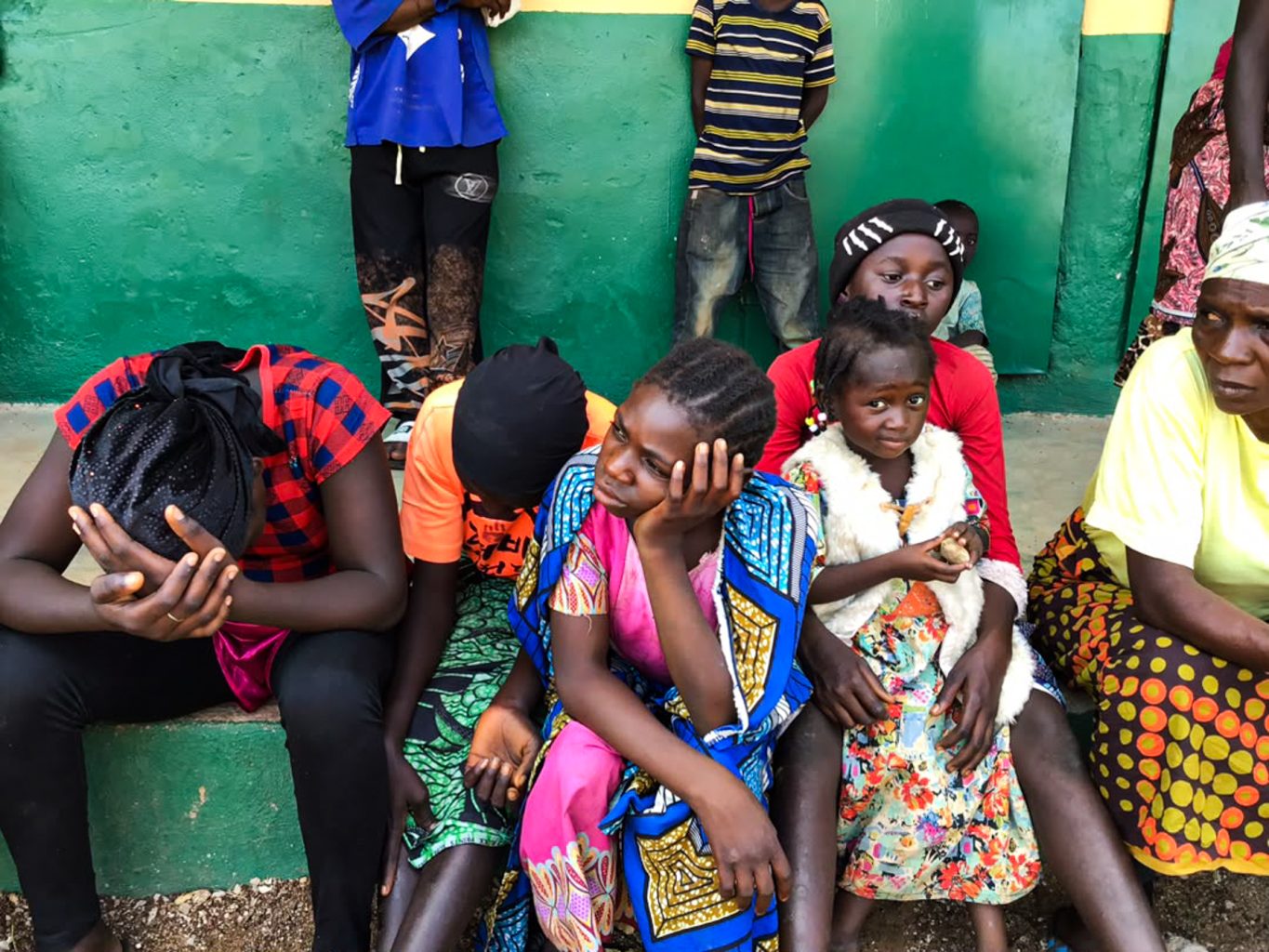
More than 50 people died in August in ongoing attacks in Mangu Local Government Area communities in Nigeria’s Plateau State. Residents have fled and are taking refuge in an internally displaced persons camp of over 250 displaced people. Affected communities include: Bimpel, Mouris, Chuwaki, Mai Tubi, and Sabon Gari. Photo provided by ETP staff. All Rights Reserved.
Answered Prayer, or Another War?
That is why Trump’s language landed with such force.
For many Christians who struggled for years to be heard, the U.S. designation felt like proof that their pain was finally being acknowledged. Various advocacy groups welcomed Nigeria’s return to the list of Countries of Particular Concern, arguing that the designation justifies the demands for protection, accountability, and sanctions.
The strikes, however, created a deeper divide. For supporters, it was evidence that the U.S. acted where Nigeria failed. But critics worried that Nigerian Christians would merely be symbols in another country’s politics and align vulnerable communities with foreign military power.
The Associated Press reports that sometimes Christians are targeted because of their faith and that mass killings are occurring, but current evidence does not meet the United Nations’ legal definition of genocide, which requires intent to destroy a protected group in whole or in part.
For pastors, the debate is beyond semantics. The wrong word can erase Christian suffering. The wrong word can also erase Muslim suffering, inflame retaliation, and invite a military solution that does not understand the nuances on the ground.
Baba hears both sides.
“I know Muslims who are also running,” he says. “I know pastors who say ‘genocide.’ I know bishops who say be careful with that word. What I know is that people are dying faster than our vocabulary.”
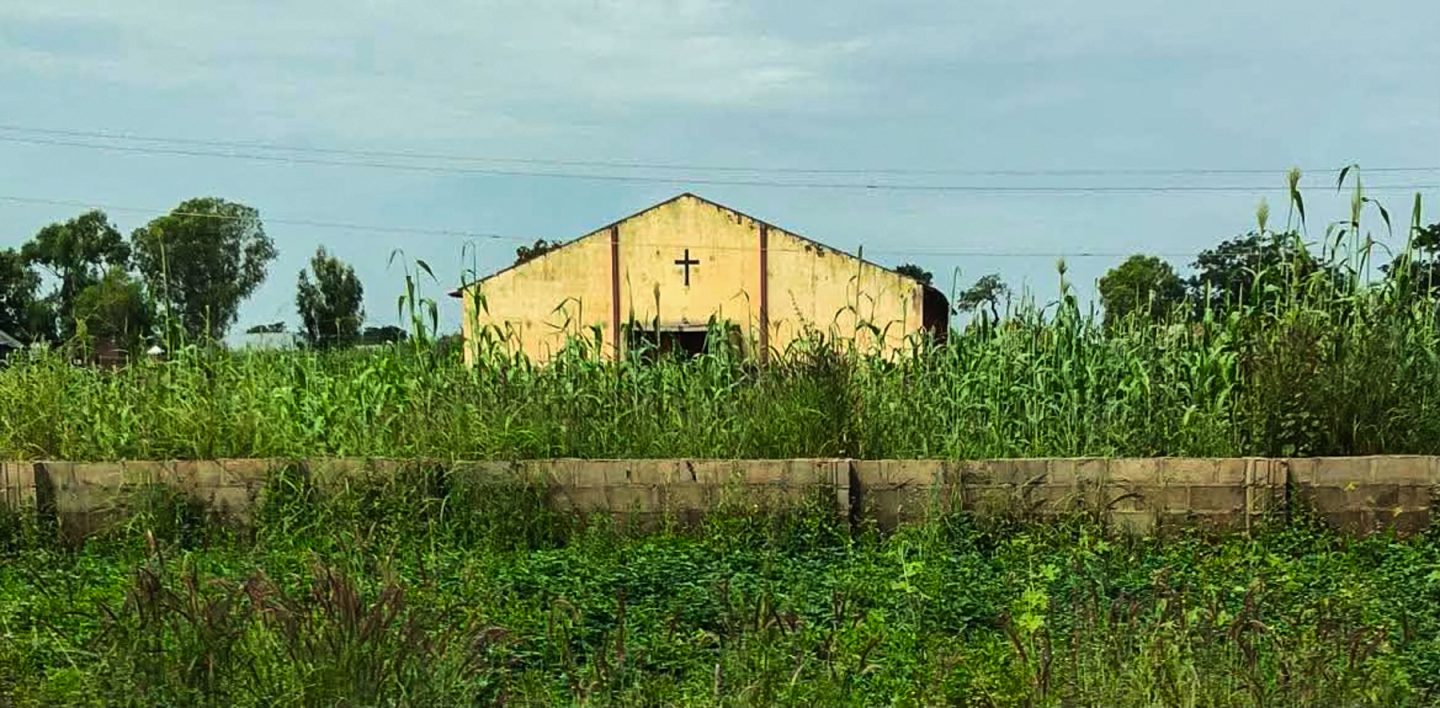
In contrast to predominantly Muslim northern Nigeria and predominantly Christian southern Nigeria, rural churches like this one on the road between Kaduna and Jos, pictured here in 2018, in Nigeria’s religiously mixed Middle Belt are being targeted by insurgents. Photo provided by a friend of Anthrow Circus.
The Fear of Being Saved Badly
The United States has a long history of promising limited force for urgent moral reasons. Africans have also seen how quickly such missions can outgrow their stated purpose.
Nigeria is not Libya, and the Christmas Day strikes were not a NATO campaign. They were reported as a coordinated operation with Nigerian approval. But memories of foreign intervention still shape how church leaders hear the language of rescue.
Under Article 2(4) of the United Nations Charter, states are to refrain from the threat or use of force against another state’s territorial integrity or political independence, except under recognized exceptions such as self-defense or Security Council authorization. U.S. security cooperation also carries legal constraints. The State Department’s Leahy Law guidance bars assistance to foreign security-force units when there is credible information implicating them in gross human-rights violations, unless accountability steps are taken.
Those legal boundaries matter. But for Nigerian believers, the deeper concern is pastoral and practical.
Will foreign strikes weaken jihadist groups, or scatter them into more villages? Will they strengthen the Nigerian government’s accountability, or allow Nigerian officials to outsource responsibility? Will Christians be safer, or will churches become targets for militants who accuse them of inviting foreign intervention?
“We need help,” Baba says. “But if it comes with bombs, I do not know what will be left.”
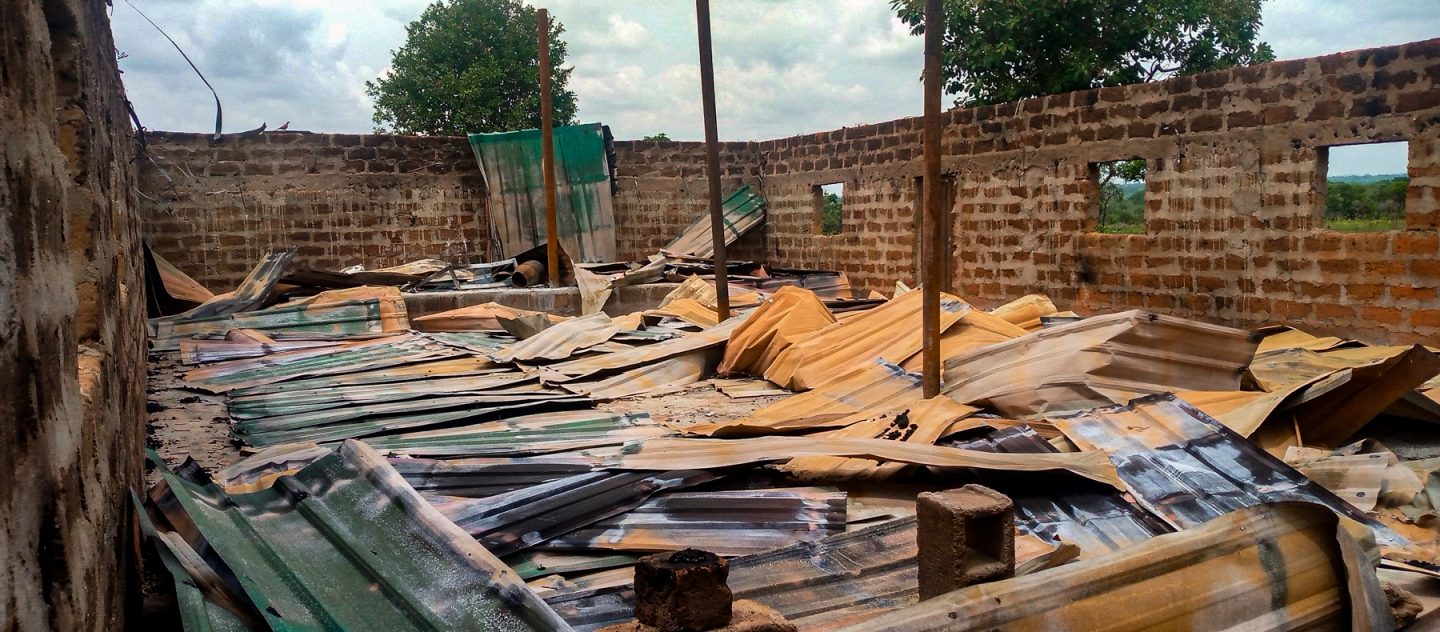
Four years ago, in June 2022, this Evangelical Church Winning All (ECWA) church was destroyed in Kaduna State, Nigeria. Photo provided by ETP staff. All Rights Reserved.
What Protection Would Mean
The temptation is to turn Nigeria’s suffering into buzz words: Christian genocide. Complex insecurity. Foreign rescue. Sovereign cooperation.
The reality is more nuanced.
Christians in Nigeria are being attacked, abducted, displaced, and killed. Muslims are also being attacked, abducted, displaced, and killed. The Nigerian state has repeatedly failed to protect civilians, prosecute perpetrators, secure vulnerable communities, and prevent armed groups from turning whole regions into ransom economies. Foreign attention may pressure Nigeria to act. But foreign force may also carry costs that land most heavily on the communities it claims to defend.
What the victims themselves already know is that protection cannot be symbolic. It must reach the village before the attackers do. It must make ransom economies harder to sustain. It must investigate security failures, sanction officials who enable impunity, and support local early-warning systems, trauma care, church and mosque leaders, and displaced families.
It must also refuse to make Nigerian Christians choose between abandonment and militarized rescue.
Back in Togo in Hédzranawoé, Baba keeps working between calls. Customers still come to the stall. The Lomé market still presses around him. Nigeria remains close enough to wound him and far enough that he cannot run toward the people he loves.
He does not have a policy paper. He has a phone full of bad news and a sentence he repeats because no official statement has answered it.
“It is the government that is killing us,” he says again, not as a legal finding, but as a lament.
Now that help has come from the sky, his question has changed only slightly.
Who will protect us, and who will be held responsible if protection becomes another danger?
All photos, except those marked otherwise, are provided by the staff of Persecuted.com. If you’d like to learn more about helping in the region, click the link for more info.
AJ Johnson
AJ Johnson is a freelance photojournalist and faith-based storyteller with over 10 years of experience reporting on culture, Christianity, and social change across sub-Saharan Africa. A trained sociologist, he has contributed to The Media Project, Anthrow Circus, and Christianity Today. He leads the African Child Photo and Film Project in his native Togo and is passionate about equipping youth to tell their own stories through photography and journalism. Beyond the lens and the field, AJ is a developing creative writer and poet, exploring themes of justice, identity, freedom, and faith—offering perspectives rooted in African experiences. AJ’s work blends investigative depth with poetic insight, shining a light on stories often overlooked by mainstream media. AJ is fluent in the Ewe, Mina, and Anlon languages of West Africa as well as French and English.